

Starting IVF can feel like you have been handed a calendar full of medical terms, injections, blood tests, and appointments without a clear explanation of how everything fits together.
The good news is that the IVF process in Murrieta and LA follows a clear series of steps. Your fertility team evaluates your health, creates a treatment plan, stimulates the ovaries, retrieves eggs, completes fertilization in an IVF lab, monitors embryo development, and prepares for embryo transfer.
Every IVF cycle looks a little different. Your age, ovarian reserve, sperm health, medical history, genetic needs, and previous fertility treatment can all affect the timing and medications involved.
IVFLA Fertility provides personalized IVF treatment for patients in Murrieta, Los Angeles, Beverly Hills, and nearby communities. This guide explains the steps involved, from your first consultation to the day an embryo is placed into the uterus.
What You’ll Learn
- Who may be a candidate for IVF
- What testing happens before starting IVF
- How ovarian stimulation and monitoring work
- What to expect during the egg retrieval procedure
- How eggs and sperm are combined in the IVF laboratory
- How an embryo develops before transfer
- The difference between fresh and frozen embryo transfer
- What happens during the pregnancy test stage
What Is IVF and Who May Need It?

IVF stands for in vitro fertilization. It is a type of fertility treatment in which eggs are removed from the ovaries and fertilized with sperm in a laboratory. A developing embryo may then be transferred into the uterus.
The Cleveland Clinic describes IVF as an assisted reproductive technology that includes ovarian stimulation, egg retrieval, fertilization, embryo development, and embryo transfer.
IVF differs from intrauterine insemination, commonly called IUI. With IUI, prepared sperm is placed inside the uterus, but fertilization still happens inside the body. During IVF, the fertility team can observe egg maturity, fertilization, and early embryo development in the IVF lab.
A fertility doctor may recommend IVF for several reasons:
- Blocked or damaged fallopian tubes
- Endometriosis
- Ovulation problems
- Reduced ovarian reserve
- Male factor infertility
- Unexplained infertility
- Previous fertility treatments that did not result in pregnancy
- Genetic conditions that may affect future children
- Use of donor eggs, donor sperm, or a gestational carrier
- Fertility preservation before future family building
IVF is a complex process, but your physician does not make each decision at once. The treatment process happens in stages, with testing and monitoring guiding the next step.
Step 1: Initial IVF Consultation and Treatment Planning
Your first consultation gives your IVF physician a chance to review your medical history and identify factors that may affect treatment.
Your doctor will likely ask about your menstrual cycle, prior pregnancies, pregnancy losses, surgeries, health conditions, medications, supplements, and previous IVF or other infertility treatment. The person providing sperm may also need to share reproductive, medical, and family history.
Bring any existing records, including:
- Hormone blood test results
- Ultrasound reports
- Semen analysis results
- Operative reports
- Genetic screening reports
- Details from previous IVF programs or fertility treatments
Your physician uses this information to create a customized treatment plan. The plan may include conventional IVF, intracytoplasmic sperm injection, embryo freezing, donor services, preimplantation genetic testing, or preparation for a frozen embryo transfer.
Ask clear questions during this visit. Find out which appointments will occur in Murrieta or Los Angeles, how often you will need monitoring, and what your insurance may or may not cover.
No fertility clinic can promise a successful pregnancy or live birth. IVF success rates depend on many factors, including age, egg health, sperm quality, embryo development, uterine health, and diagnosis.
Step 2: Fertility Testing Before the IVF Cycle
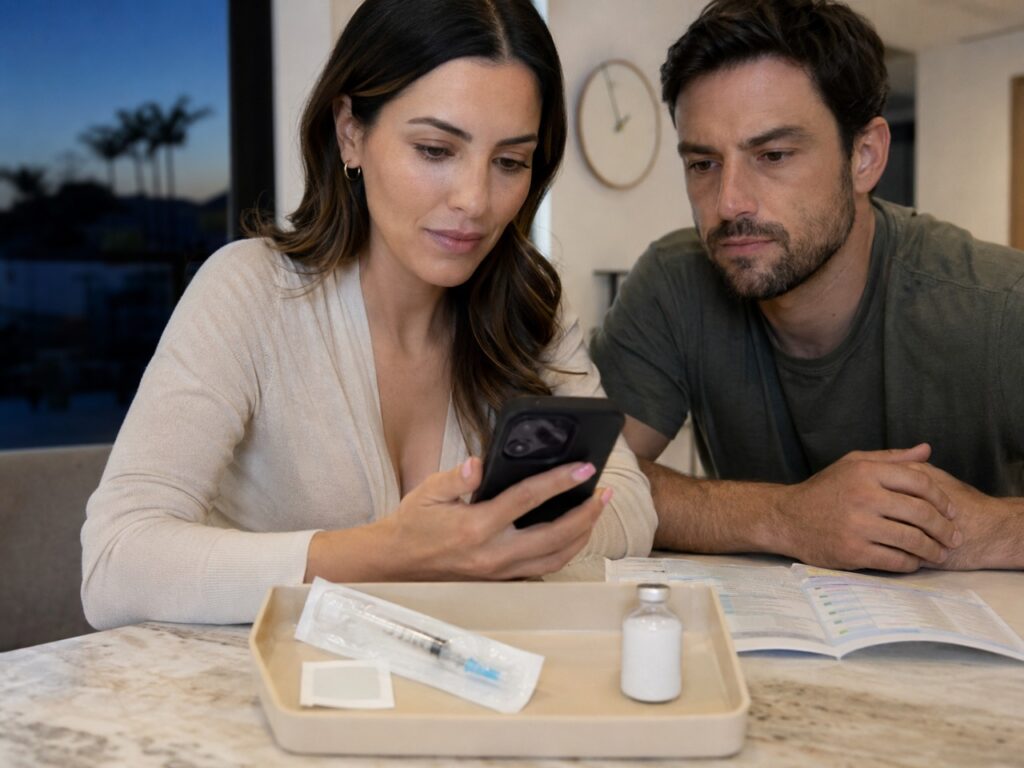
Testing helps your physician understand how your ovaries, uterus, hormones, and sperm may respond during treatment.
Ovarian reserve testing may include anti-Müllerian hormone, follicle-stimulating hormone, estradiol, and an antral follicle count. A vaginal ultrasound allows the doctor to count small follicles in each ovary and examine the uterus.
These results can help estimate how your ovaries may respond to medication. They cannot tell your doctor exactly how many eggs you will retrieve or guarantee the success of IVF.
Your care team may also recommend:
- Thyroid testing
- Prolactin testing
- Infectious disease screening
- Genetic carrier screening
- A saline infusion sonogram (SIS)
- Hysterosalpingogram (HSG)
- Hysteroscopy
- Additional hormone testing when medically appropriate.
If IVF is the treatment of choice, your doctor will recommend performing a mock transfer. This is a trial transfer that is done before your actual IVF cycle, usually coincides with the visit when doing your SIS. Research indicates that a trial transfer done before your IVF can actually increase the overall pregnancy rate.
A saline sonogram or hysteroscopy can identify uterine polyps, fibroids, scar tissue, or other concerns that could affect embryo transfer. The HSG can also visualize the inside of the uterine cavity, similar to the SIS and hysteroscopy, but not as well. The HSG is a better imaging technique for assessing whether the fallopian tubes are open or not.
The sperm provider usually completes a semen analysis. This test measures sperm concentration, movement, and shape. Your doctor may request more testing when the results or medical history suggest a possible male fertility problem.
Step 3: Preparing the Menstrual Cycle
Some IVF patients take birth control pills, estrogen, or another medication before stimulation starts. This preparation may help coordinate follicle growth and control the timing of the treatment cycle.
Not every patient needs pretreatment. Your protocol depends on ovarian reserve, age, medical history, previous response, and the goals of the IVF cycle.
You will attend a baseline appointment before beginning stimulation medication. During this visit, the care team may:
- Perform a vaginal ultrasound
- Check the ovaries for cysts
- Count early follicles
- Measure hormone levels
- Confirm that the uterine lining and ovaries are ready
You will also learn how to inject your medications. Ask the nurse to review dose timing, storage instructions, monitoring dates, and what to do if you take a dose late.
Do not change a dose or stop medication without speaking to your IVF team.
Step 4: Ovarian Stimulation and Monitoring
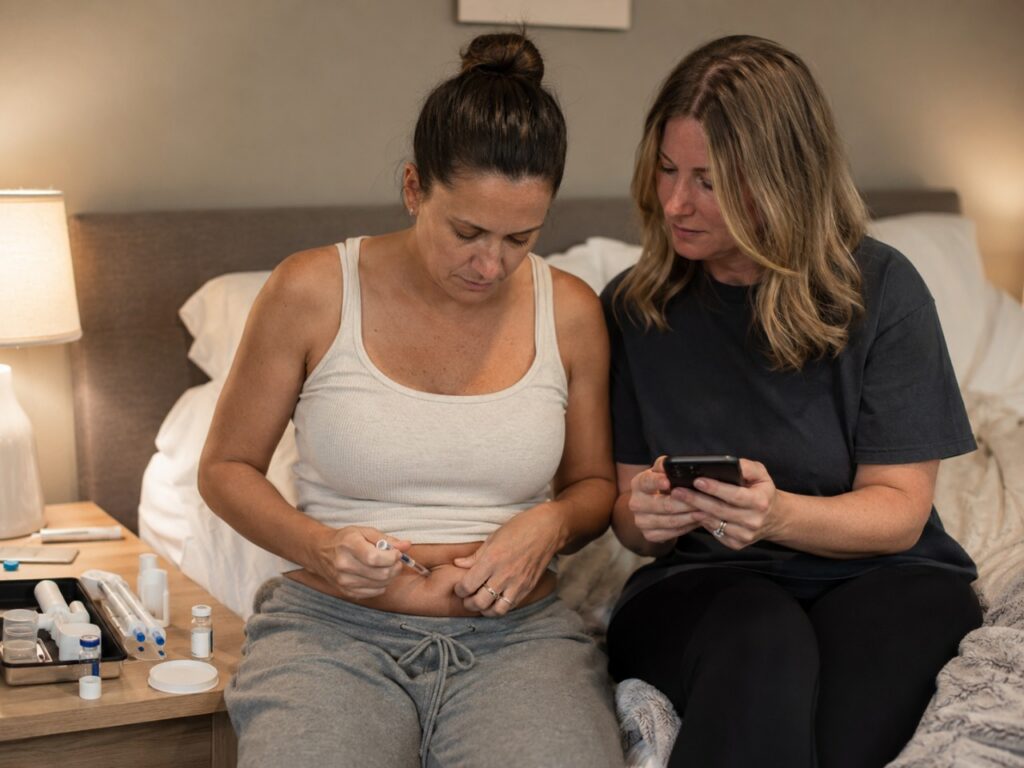
A natural menstrual cycle usually produces one egg. During IVF treatment, medications stimulate the ovaries so that several follicles may grow at the same time.
The goal is not simply to produce as many eggs as possible. Your fertility doctor wants to develop a safe number of follicles while reducing the risk of an excessive ovarian response.
Medications may include:
- Follicle-stimulating hormone injections
- Luteinizing hormone activity
- Medication that prevents early ovulation
- A final trigger injection, which may contain hCG, Lupron, or both
You will return to the fertility clinic for ultrasound scans and blood tests during stimulation. The ultrasound measures the size and number of follicles. Bloodwork checks hormone levels and helps the doctor decide whether to adjust your dose.
Stimulation usually lasts about eight to ten days, although each ovary can respond differently. Some cycles take less time, while others need additional monitoring.
When the follicles reach the right stage, you will take a trigger injection. This medication supports final egg maturation. Timing matters because the egg retrieval procedure is scheduled around the trigger.
IVF Process Timeline at a Glance
| IVF step | What happens | Typical timing |
|---|---|---|
| Consultation and testing | Medical history, hormone tests, ultrasound, semen analysis | Several days to several weeks |
| Cycle preparation | Baseline testing and possible pretreatment medication | About 1 to 3 weeks |
| Ovarian stimulation | Daily injections with blood test and ultrasound monitoring | About 8 to 10 days |
| Egg retrieval | Eggs are collected from ovarian follicles | About 34 to 36 hours after trigger shot taken |
| Fertilization | Eggs and sperm are combined, or ICSI is performed | Retrieval day |
| Embryo development | Embryos grow in the IVF laboratory | About 3 to 5 days |
| Embryo transfer | A fresh or frozen embryo is placed in the uterus | Depends on treatment plan |
| Pregnancy test | Blood test checks for pregnancy hormone | Usually 9 to 14 days after transfer |
The exact timeline can change based on your response, embryo development, genetic testing, and whether you have a fresh or frozen transfer.
Step 5: Egg Retrieval and Sperm Collection
Egg retrieval takes place after the trigger injection and before ovulation occurs.
Your clinic will provide instructions on fasting, medications, arrival time, and transportation. Since the procedure usually involves anesthesia with monitoring, you will need someone to drive you home.
During the egg retrieval process, the doctor places an ultrasound probe with a needle guide on it into the vagina. A thin needle passes through the needle guide, into the vaginal wall, and enters the ovarian follicles under direct ultrasound imaging. Suction removes the follicular fluid, and the IVF lab searches that fluid for eggs.
The Mayo Clinic explains that egg retrieval usually occurs through transvaginal ultrasound aspiration.
Not every follicle contains an egg, and not every retrieved egg will be mature. This is a normal part of the process.
The sperm provider may produce a fresh sample that day. The IVF laboratory can also use frozen sperm, donor sperm, or surgically retrieved sperm when needed.
After retrieval, you may experience:
- Mild cramping
- Light vaginal spotting
- Pelvic pressure
- Fatigue
- Bloating
Contact the fertility clinic if you develop severe pain, heavy bleeding, fever, breathing problems, persistent vomiting, rapid abdominal swelling, or reduced urination.
Step 6: Fertilization in the IVF Laboratory
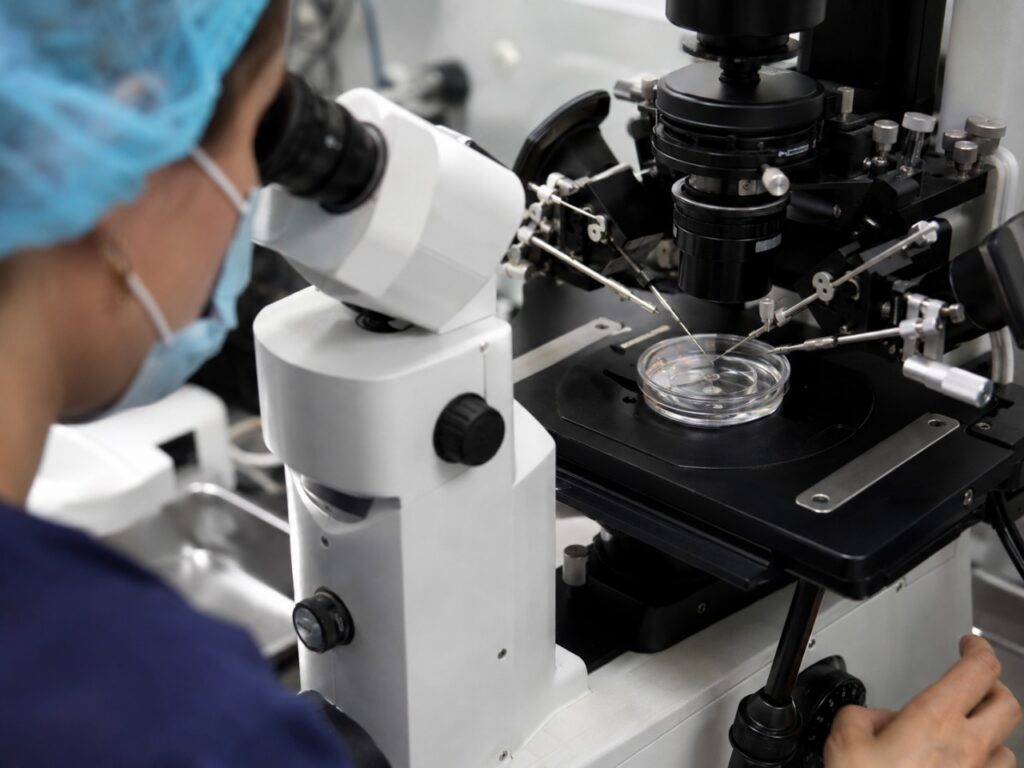
Once eggs are retrieved, the embryology team determines how many are mature enough for fertilization.
With conventional IVF, eggs and sperm are combined in a laboratory dish. The sperm must enter the egg without direct assistance.
With intracytoplasmic sperm injection, or ICSI, a single sperm is injected into a mature egg. Many labs use ICSI for all cases. Your IVF physician may recommend sperm injection just for male factor infertility, surgically retrieved sperm, frozen eggs, previous fertilization problems, or certain treatment plans involving genetic testing.
ICSI is not a separate type of fertility treatment. It is a fertilization method used during an IVF cycle, referred to as micromanipulation
The fertilization report may include:
- The number of eggs retrieved
- The number of mature eggs
- The number of eggs exposed to sperm or injected
- The number of normally fertilized eggs
These numbers often decrease at each step in the IVF process. A retrieved egg may be immature. A mature egg may not fertilize. A fertilized egg may stop developing before it becomes an embryo suitable for transfer or freezing.
Step 7: Embryo Development, Grading, and Genetic Testing
After fertilization, embryos begin dividing. Embryologists monitor them closely during the first several days.
Some embryos reach the blastocyst stage around day five or six. Others may develop on day seven, and some stop developing earlier. This biological drop in numbers is common during IVF.
Embryologists assess several features, including:
- Developmental stage
- Cell organization
- Inner cell mass
- Trophectoderm appearance
- Speed and pattern of development
Embryo grading helps the care team compare embryos, but it cannot guarantee implantation, pregnancy, or live birth.
Your doctor may discuss Preimplantation Genetic Testing (PGT) in certain cases. An embryologist removes a small sample of cells from a blastocyst, then freezes the embryo while the testing laboratory evaluates the genetics of the sample.
Testing may look for chromosome differences or a specific inherited condition. Genetic counseling can help you understand the limits and possible results of testing.
Embryos suitable for future use may be frozen. Your clinic should explain storage fees, consent requirements, and decisions about future embryo use.
Step 8: Preparing for Fresh or Frozen Embryo Transfer
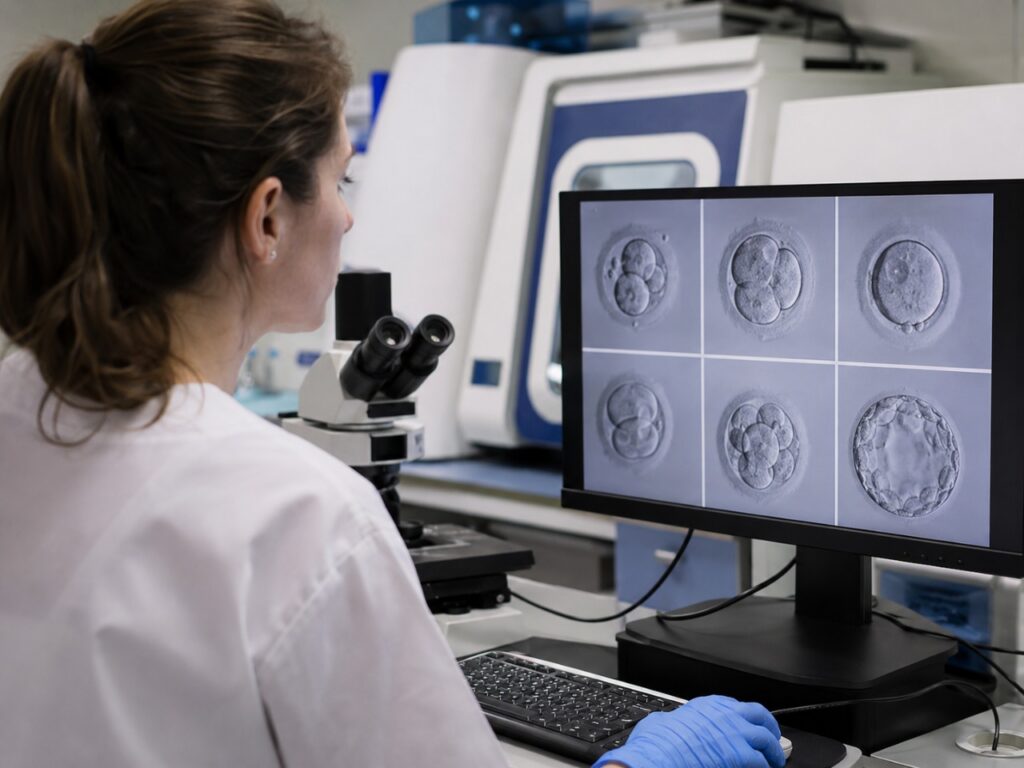
A fresh embryo transfer usually occurs several days after egg retrieval, usually 5-6 days after your egg retrieval. Your doctor may recommend it when hormone levels, uterine lining, embryo development, and your health support continuing within the same cycle.
A frozen embryo transfer happens in a later menstrual cycle. Your doctor may recommend this option when:
- You complete preimplantation genetic testing
- Your hormone levels are not suitable for fresh transfer
- You need time to recover after stimulation
- You have a higher risk of Ovarian Hyperstimulation Syndrome (OHSS)
- Your uterus needs further evaluation or treatment
A frozen transfer may follow a natural, modified natural, or medicated protocol. Your team uses ultrasound and blood tests to check the endometrial lining and hormone timing.
In a medicated cycle, you may take estrogen and progesterone. In a natural cycle, the clinic tracks ovulation and times the transfer around your body’s hormone pattern.
Your IVF team chooses an embryo based on development, grading, genetic results when available, and previous treatment history.
The number of embryos transferred also matters. The American Society for Reproductive Medicine supports single embryo transfer for many patients because transferring more than one embryo increases the risk of twins and other multiple pregnancies. However, each case is individualized, and your doctor will discuss the risks and benefits of each.
Step 9: What Happens on Embryo Transfer Day?
Embryo transfer is usually brief and does not require anesthesia.
The clinic confirms your identity and the embryo information before the procedure. You may need a comfortably full bladder so the team can see the uterus more clearly with an abdominal ultrasound.
The doctor places a speculum, cleans the cervix, and guides a thin catheter through the cervical opening. The embryologist loads the embryo into the catheter. The physician then places the embryo into the uterus under ultrasound guidance.
The laboratory checks the catheter afterward to confirm that the embryo did not remain inside it.
You may feel pressure from the full bladder or speculum, along with mild cramping. Most patients can leave shortly after the procedure.
Continue progesterone and any other medication exactly as prescribed. Follow your clinic’s instructions about work, exercise, intercourse, bathing, and travel.
Extended bed rest usually does not improve the chances of a successful pregnancy. The American Society for Reproductive Medicine supports getting up and walking after embryo transfer.
IVF Risks, Side Effects, and Emotional Health
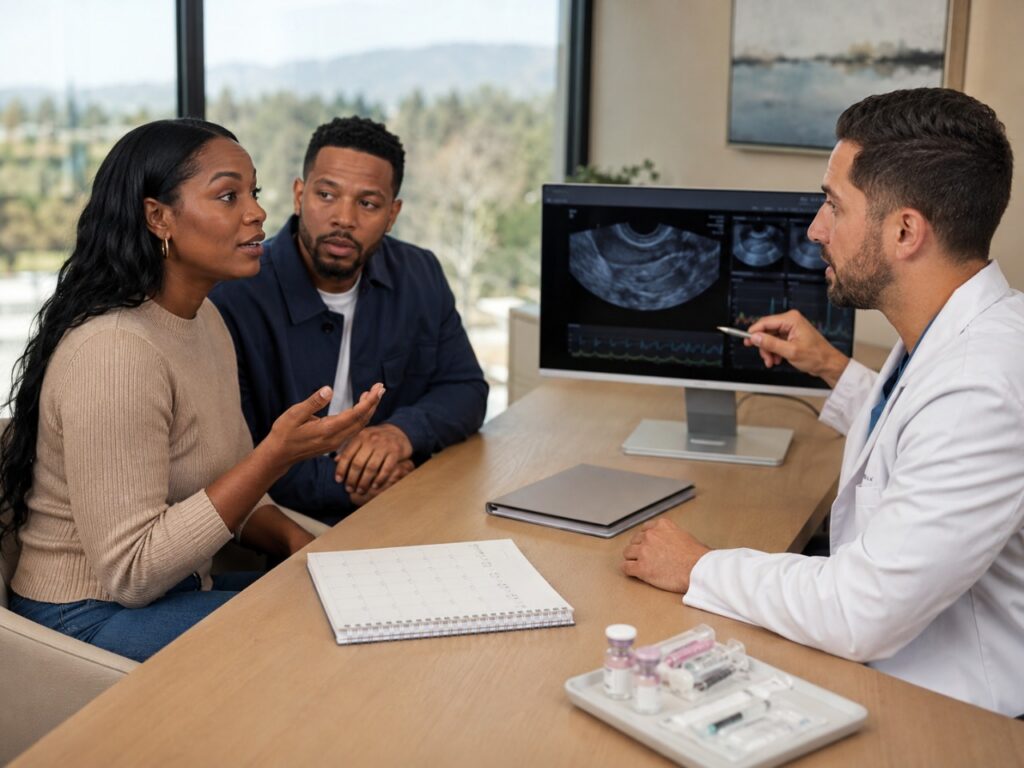
Most people having IVF experience temporary side effects from medication or procedures. These may include bruising, headaches, bloating, pelvic pressure, mood changes, and fatigue.
Less common risks include:
- Ovarian hyperstimulation syndrome
- Bleeding or infection after egg retrieval
- Cycle cancellation
- Ectopic pregnancy
- Miscarriage
- Multiple pregnancy
- Complications related to sedation
Seek urgent medical guidance if you develop severe abdominal pain, breathing difficulty, heavy bleeding, fainting, rapid weight gain, or reduced urine output.
IVF can also affect your emotional health. The frequent appointments, financial costs, waiting, and changes in treatment plans can create stress. Counseling, support groups, regular sleep, gentle movement, and help from trusted family members may make the process easier to manage.
Discuss all herbs, supplements, acupuncture treatments, or alternative therapies with your fertility doctor. Some supplements can interact with medications or increase bleeding risk during egg retrieval.
Frequently Asked Questions About the IVF Process
These questions often come up when patients are preparing for IVF treatment in Murrieta or Los Angeles.
1. How long does the IVF process take?
A stimulation and egg retrieval cycle often takes several weeks from preparation through retrieval. A fresh transfer may occur in the same cycle. A frozen transfer may add another 8-12 weeks or longer, especially when genetic testing is involved.
2. How many injections are needed during IVF?
The number depends on your treatment plan. Many patients take daily stimulation injections for eight to ten days, followed by a trigger injection. Some patients also use progesterone injections or other hormone support before and after embryo transfer.
3. Is the egg retrieval procedure painful?
Sedation or anesthesia limits discomfort during retrieval. Mild cramping, pelvic pressure, spotting, and bloating can occur afterward. Severe or worsening symptoms should be reported to the clinic.
4. How many eggs are needed for IVF?
There is no perfect number. The goal depends on your age, ovarian reserve, diagnosis, and health. Many eggs may be retrieved, but only some may be mature, fertilize normally, reach the embryo stage, or become suitable for transfer.
5. What is the difference between IVF and ICSI?
With conventional IVF, sperm and egg are combined in a dish. During ICSI, sperm is injected directly into a mature egg. However, many labs throughout the country use ICSI with conventional IVF. Some labs will use ICSI when sperm numbers, movement, or previous fertilization results raise concerns.
6. How many embryos are transferred?
Many patients receive one embryo to reduce the risk of twins or higher-order multiples. Your doctor will consider your age, embryo quality, genetic test results, previous IVF history, and chances of a successful pregnancy.
Taking the Next Step With IVFLA Fertility
The IVF process includes more than egg retrieval and embryo transfer. It begins with testing and treatment planning, then moves through ovarian stimulation, fertilization, embryo development, uterine preparation, and pregnancy testing.
Each step gives your fertility team information that shapes the next decision. Your medications, number of appointments, fertilization method, and transfer timing will depend on your body and your family-building goals.
IVFLA Fertility provides personalized care for patients in Murrieta, Los Angeles, Beverly Hills, and nearby Southern California communities. Steven C. Presser, M.D., and the clinical team work with the IVF laboratory led by Arjun Kadam, Ph.D., HCLD, to guide patients through testing, IVF treatment, embryo development, and transfer.
Contact IVFLA Fertility to schedule a consultation. Bring your medical records, previous test results, medication list, and questions so the team can discuss a treatment plan based on your needs.

Dr. Steven C. Presser is a Beverly Hills fertility specialist with over three decades of experience, trained at USC, Cedars-Sinai, and UCLA. He is widely recognized for his research and publications in reproductive health, nutrition, and fertility preservation, and is fluent in English, Spanish, and Hebrew.