
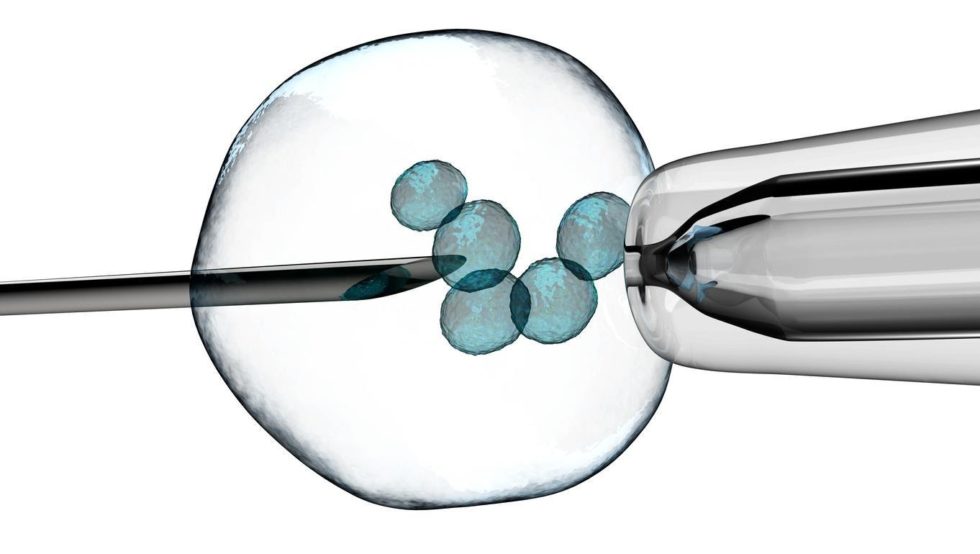
In Vitro Fertilization (IVF) is a widely recognized fertility treatment that offers hope to couples struggling with infertility. This advanced technique can be paired with PRP fertility treatment, enhancing the chances of conception by improving the quality of eggs. Additionally, California genetic testing services can be integrated into the IVF process to identify genetic disorders, ensuring a healthy pregnancy. IVF, combined with PRP and genetic testing, offers a comprehensive approach to overcoming infertility, making it a preferred choice for many.
One in every six couples in the United States struggles with infertility. Further, a study by the National Institute of Health, Rockville, found that up to 16% of couples actively trying to get pregnant were unsuccessful even after a year of trying. Concisely, there is proof of fertility decline among both men and women, thus necessitating the consideration of alternative methods of conception. Learn more about In Vitro Fertilization (IVF) and how it can help
What Is In Vitro Fertilization?
In Vitro Fertilization (IVF) is a procedure classified under Assisted Reproductive Technologies (ART). Specifically, continued advancement furthers reproductive science to make it possible for egg fertilization outside a female’s body. Then, implanted back after they develop into embryos.
How Does IVF Work?
IVF is significantly different from what is considered natural and traditional methods of conception. The treatment will often follow an infertility test where your doctor will be looking to establish your sexual habits and any specific causes of infertility. Specific tests that your doctor will be looking to have done would be a complete assessment of your general health, a check of ovarian function, and detection of thyroid diseases and high prolactin levels.
Additionally, your doctor will be screening for any hormonal imbalance and metabolic abnormalities that might impede successful IVF.
Following the infertility evaluation and having come to the conclusion that IVF is a viable option, your doctor then embarks on the procedure. Specifically, the doctor harvests eggs from the ovaries, which then fertilize within the lab. The fertilized eggs are then placed in a conducive environment until they develop into viable embryos then one is reintroduced to the mother’s womb.
What Are the Success Rates of In Vitro Fertilization?
A young, healthy couple has a success rate of 20-35% per IVF cycle. However, specialists advise that a patient undergoes at least three cycles of IVF before dimming the procedure ineffective. Note that following these three attempts, you have at least a 45% chance of a successful pregnancy.
Fortunately, there are measures you can take to improve your chances of conception. For instance, you want to maintain a healthy weight as advised by your doctor. Additionally, your spouse can take supplements to improve sperm quality and avoid any abnormalities within the semen. Finally, it would also be prudent to partner with an embryology laboratory that has experienced reproductive endocrinologists on board.
What Are the Benefits of In Vitro Fertilization?
In vitro fertilization (IVF) offers a promising path to parenthood for couples facing infertility challenges. One of the key advantages of IVF is the ability to increase pregnancy success rates through advanced techniques like California genetic testing, which helps ensure the healthiest embryos are selected. IVF clinics in California provide cutting-edge fertility solutions tailored to individual needs, offering hope for those seeking family-building options. This process allows for greater control, empowering individuals with more choices in their reproductive journey and improving overall success rates for conception.
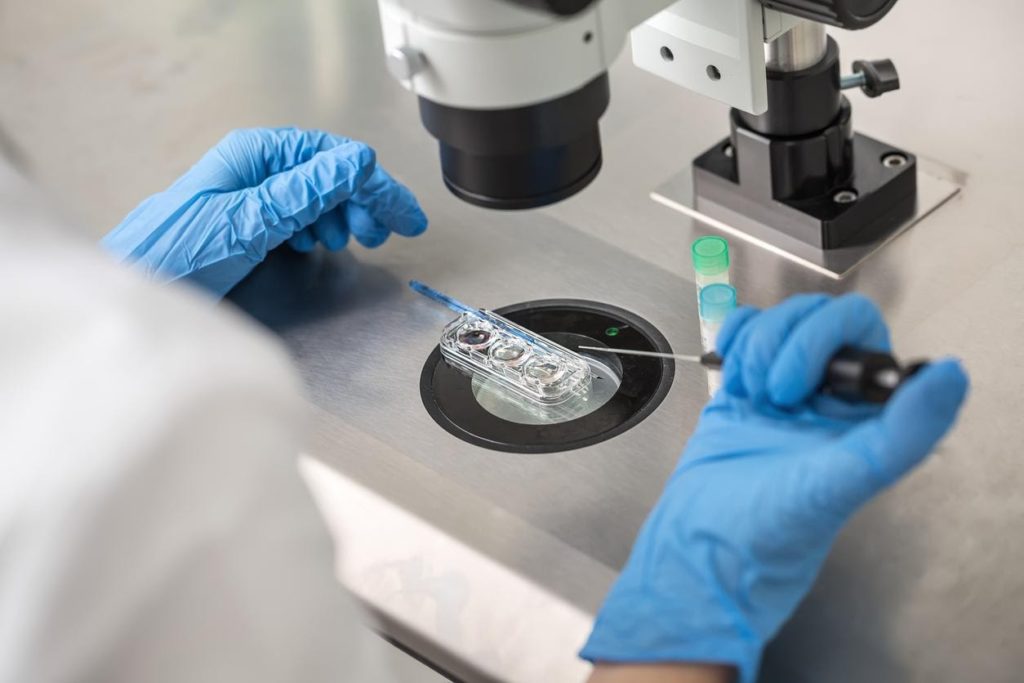 Checking result of in vitro fertilization treatment.
IVF Significantly Improves Your Chances at a Successful Pregnancy and Consequently a Healthy Baby
The most significant benefit of IVF is a successful pregnancy and the resulting healthy child. While a positive outcome cannot be assured, it still avails a significant chance for a couple looking to have a child after several unsuccessful natural attempts.
IVF Can Help Bypass Issues in the Fallopian Tubes
Tubal factor infertility causes some of the infertility cases reported. Fortunately, IVF allows fertility specialists to circumvent any fallopian tube issues, thus solving an otherwise impossible situation. Indicatively, IVF offers a solution to the obstruction of the egg’s movement down to the uterus. This is particularly excellent news for patients who have had previous pelvic infections, including chlamydia.
There Is a Confirmation of Fertilization
Idiopathic causes of subfertility cause the lack of success conceiving. Fortunately, it is possible to confirm fertilization within the IVF cycle. It is possible for your specialist to check for any problems that could impede normal interaction between the egg and the sperm within the lab. In the event that there is failed fertilization, the couple can embark on another IVF cycle in conjunction with intracytoplasmic sperm injection (ICSI).
Test Embryos Created via In Vitro Fertilization for Abnormalities Before Transfer Into the Womb
There have been cutting-edge studies that have shown how IVF can be used to test for abnormalities in the embryo before it is transferred into the womb. Specifically, there have been successful pre-implantation genetic diagnoses for conditions like Down’s Syndrome and Cystic Fibrosis. Altogether, IVF can help parents predisposed to some conditions help reduce incidences of the same in their unborn child.
Bypassing Sperm Issues
In some instances, low sperm quality and count create unsuccessful pregnancy attempts. IVF helps bypass these sperm issues. Specifically, as the egg physically introduces itself to the sperm, more excellent proximity exists between the two.
You Have Control Over Timing
IVF puts you solely in charge of your pregnancy journey. It avails the freedom to choose when to get pregnant. This makes this ART an excellent option for women looking to explore different facets of their lives before settling down to start a family.
What If In Vitro Fertilization Doesn’t Work?
There are several reasons why IVF might not work. For starters, there is a high risk during egg pick up. Specifically, the egg collection procedure can impact the structural integrity of the egg, thus more likelihood of a failed procedure. Besides, there are additional risks during embryo transfer. There have been reports of infections occurring in the uterus that make the embryo no longer viable. Concisely, going into IVF, you need to be open to the idea that the procedure might not work.
Suppose then that your first cycle is unsuccessful. It would be prudent to communicate closely with your specialist to determine what might have caused the failure. Additionally, you want to consult on other alternatives and even the possibility of a second cycle. Overall, you need to manage your expectations and be willing to maximize all the options available to you.
Frequently Asked Questions
1. What are the main benefits of IVF for couples struggling with infertility in Los Angeles?
IVF offers several meaningful advantages for those who have been unable to conceive through natural methods. It bypasses common physical barriers such as blocked or damaged fallopian tubes, addresses male infertility factors like low sperm count or poor motility, and provides laboratory confirmation that fertilization has actually occurred. IVF also allows embryos to be tested for genetic abnormalities before transfer, improving the likelihood of a healthy pregnancy. For many couples, it represents a viable path to parenthood after other fertility treatments have not produced results.
2. What is the success rate of IVF treatment, and how many cycles should I expect?
For a young, healthy couple, each IVF cycle carries a success rate of approximately 20 to 35 percent. Fertility specialists generally recommend completing at least three cycles before concluding that IVF is unlikely to work, as cumulative success rates improve significantly with each attempt — reaching roughly 45 percent or higher after three cycles. Factors such as maintaining a healthy weight, optimizing sperm quality through supplementation, and working with an experienced embryology laboratory and reproductive endocrinologist can all contribute to improving outcomes across cycles.
3. Can IVF help if male infertility is the primary cause of conception difficulties?
Yes. IVF is highly effective at working around male infertility issues such as low sperm count, poor motility, or abnormal sperm morphology. The process brings the egg and sperm into much closer proximity within the laboratory setting, significantly improving the chances of successful fertilization. In cases where even standard IVF fertilization is uncertain, it can be combined with intracytoplasmic sperm injection, or ICSI, in which a single sperm is injected directly into the egg to further increase the likelihood of fertilization.
4. How does genetic testing work within the IVF process at IVFLA Fertility?
Preimplantation genetic testing can be integrated into the IVF process to screen embryos for chromosomal abnormalities and specific genetic conditions, such as Down Syndrome and Cystic Fibrosis, before any embryo is transferred into the uterus. This allows Dr. Presser and the IVFLA team to select the healthiest, most viable embryos for transfer, reducing the risk of passing on inherited conditions and improving the overall success rate of the procedure. California genetic testing services are available at IVFLA Fertility’s Beverly Hills and Murrieta locations as part of a comprehensive, individualized fertility treatment plan.
5. Can IVF be combined with PRP fertility treatment to improve results?
Yes. IVF can be paired with Platelet-Rich Plasma, or PRP, fertility treatment to help enhance egg quality prior to retrieval. PRP therapy uses concentrated growth factors derived from the patient’s own blood to support ovarian function, which may be particularly beneficial for women with diminished ovarian reserve or those who have not responded well to conventional stimulation protocols. Combining PRP with IVF offers a more comprehensive approach for patients who need additional support beyond standard fertility treatment. Dr. Presser at IVFLA Fertility can advise whether this combination is appropriate for your individual case.
6. What happens if my first IVF cycle is unsuccessful at a fertility clinic in Beverly Hills?
An unsuccessful first cycle does not mean IVF will not work for you. It is important to have an open and detailed conversation with your specialist to understand what may have contributed to the outcome, whether that relates to egg quality, fertilization rates, embryo development, or the uterine environment at the time of transfer. From there, your doctor can adjust the protocol, explore complementary treatments, or discuss whether additional cycles or alternative approaches such as donor eggs or ICSI may improve your chances. At IVFLA Fertility, treatment plans are individualized, and the team works closely with patients to navigate next steps after any setback.
Explore Your Family-Building Options Today
Oftentimes, couples will have tried a host of other fertility treatment options before they get to the IVF station. Fortunately, IVF has shown tremendous promise of exponentially improving a couple’s chance at a healthy pregnancy and subsequent childbirth. At our clinic, we believe that IVF treatments need to be individualized to a patient’s unique circumstances. As such, we invite you to schedule a consultation to explore how IVF can contribute to your family–building dreams today!

Dr. Steven C. Presser is a Beverly Hills fertility specialist with over three decades of experience, trained at USC, Cedars-Sinai, and UCLA. He is widely recognized for his research and publications in reproductive health, nutrition, and fertility preservation, and is fluent in English, Spanish, and Hebrew.