
A low egg count can feel heartbreaking, especially after you did everything asked of you.
You took the injections, showed up for each ultrasound, and hoped the numbers would move in the right direction. When they do not, it is natural to wonder what other options may be worth discussing.
That is why some patients ask about Platelet Rich Plasma Fertility Therapy in Murrieta. PRP is an emerging treatment option being studied for poor ovarian response, diminished ovarian reserve, premature ovarian insufficiency, and certain IVF challenges. It does not guarantee pregnancy, but it may be part of a thoughtful fertility conversation.
At IVFLA Fertility, patients from Murrieta, Beverly Hills, and nearby areas receive personalized care with Steven C. Presser, M.D., and a supportive team focused on clear guidance, advanced reproductive technology, and compassionate care.
What Is Platelet Rich Plasma Fertility Therapy?
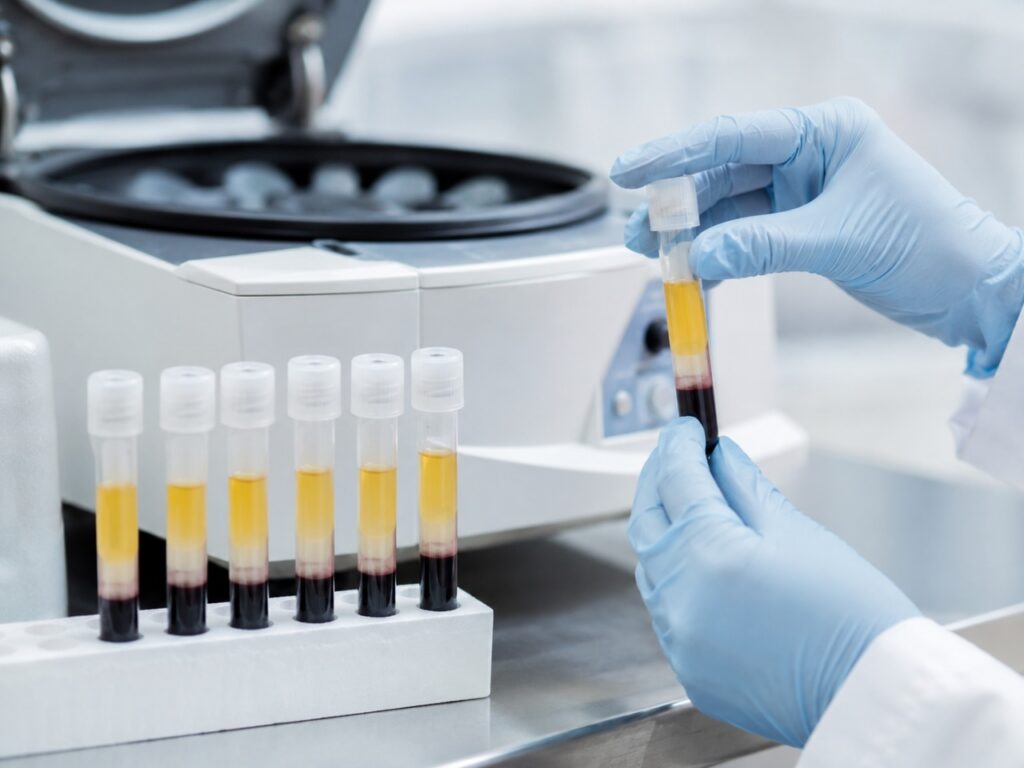
PRP stands for platelet-rich plasma. It comes from your own blood.
Before looking at how PRP may fit into fertility care, it helps to understand how it is made and why platelets matter.
How PRP Is Made From Your Own Blood
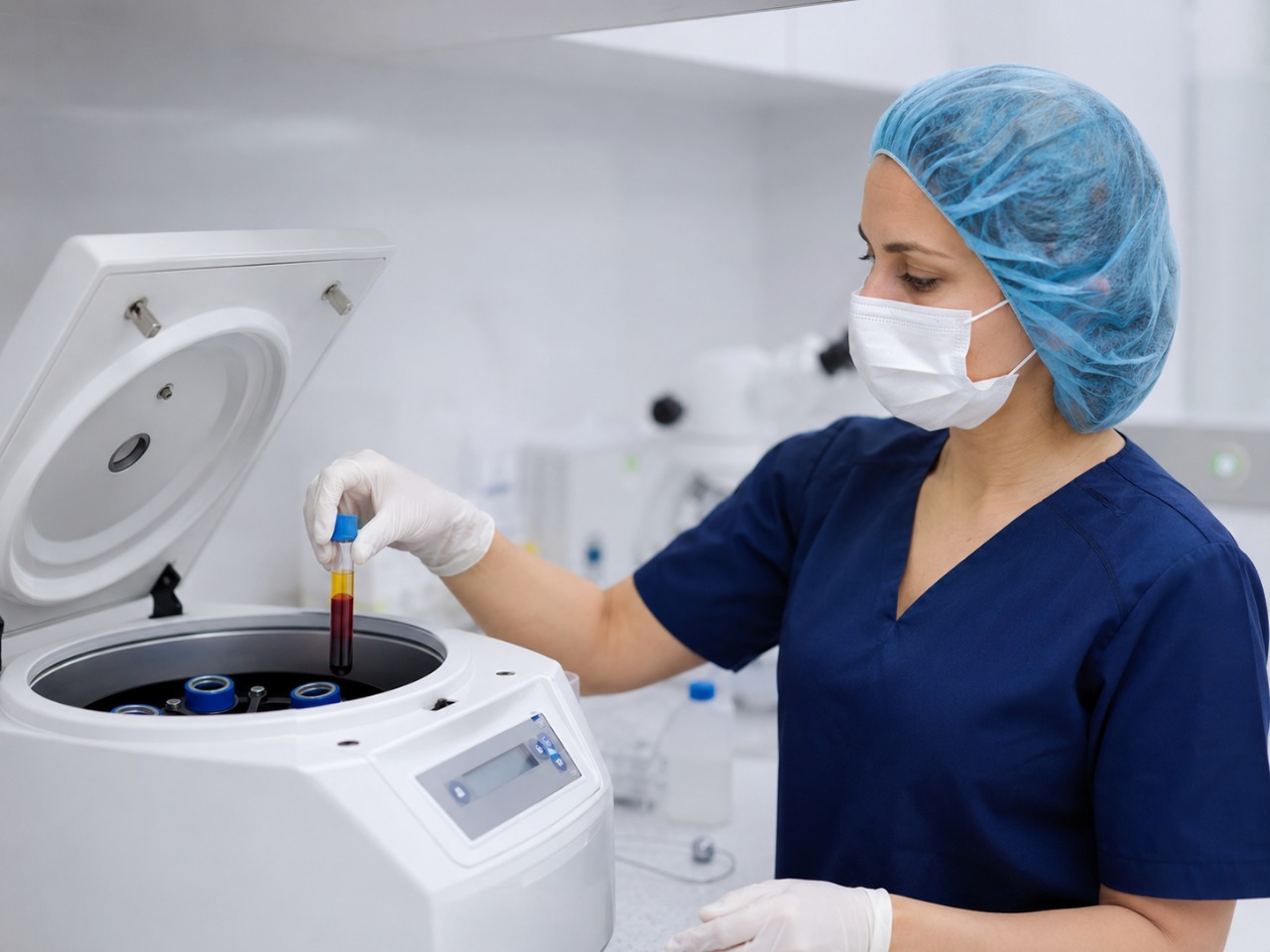
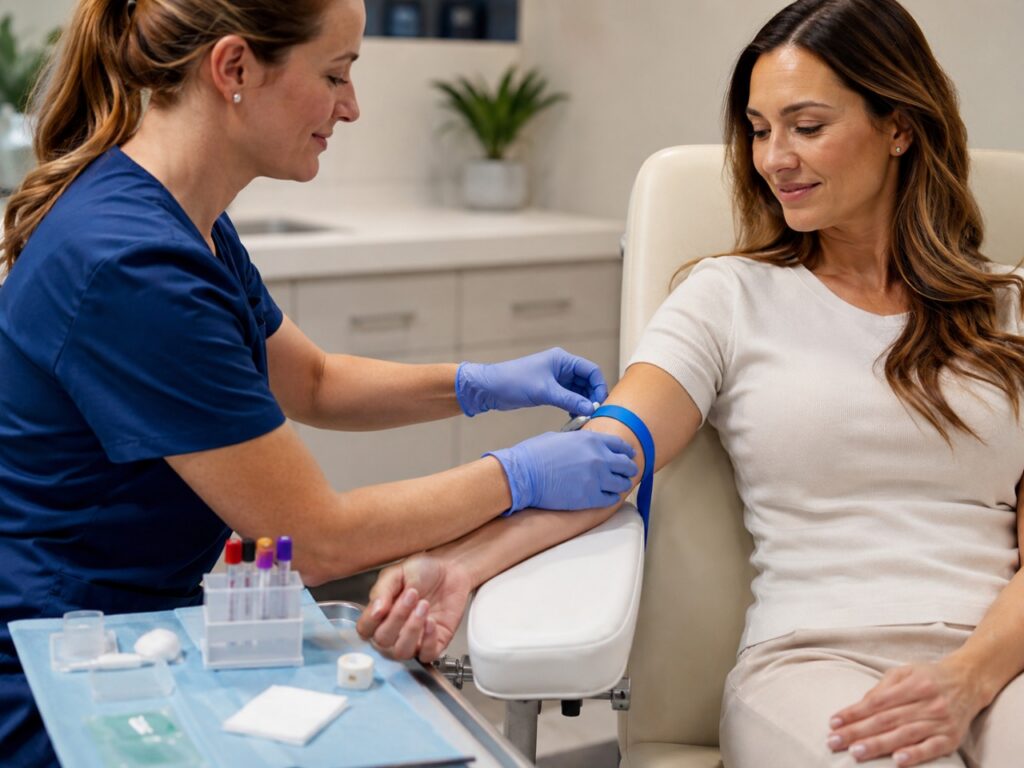
During PRP preparation, a provider takes a blood sample through a standard blood draw. The sample is placed in a centrifuge, which spins the blood to separate its components. This process helps produce PRP with a higher platelet concentration than in regular whole blood.
Why Platelets Matter
Platelets are blood cell fragments that help your body form a clot after injury. They also contain growth factors, which are proteins involved in cell signaling, tissue repair, and the healing process. This is one reason PRP is used in several areas of regenerative medicine.
How Fertility PRP Is Different From Other PRP Treatments
You may have heard of PRP injections for tendon injuries, tennis elbow, knee osteoarthritis, rotator cuff concerns, Achilles tendon problems, ligament injuries, sports injuries, wound healing, hair loss, or musculoskeletal injuries. Fertility PRP is different. The target area, treatment goal, and medical decision-making are not the same as joint injections or an injection to treat damaged tissue in orthopedics.
Ovarian PRP vs. Endometrial PRP
In fertility care, PRP may be discussed in two main ways. Ovarian PRP involves placing platelet-rich plasma into the ovaries, often through an ultrasound-guided technique. Endometrial PRP involves placing PRP into the uterus, usually when the uterine lining is part of the concern.
What the Research Says So Far
The Cochrane review on PRP in assisted reproduction reports that some experts believe PRP may improve ovarian response to stimulation or enhance endometrial receptivity during implantation, but the evidence remains uncertain.
Who May Consider PRP Fertility Therapy in Murrieta?
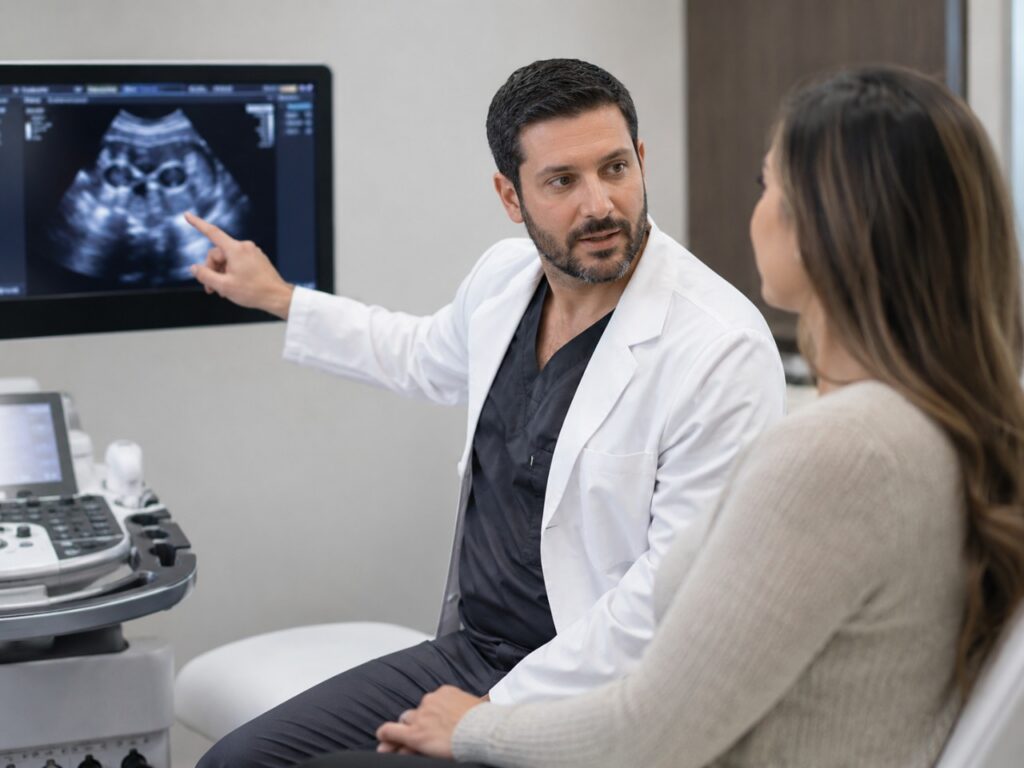
PRP is not for every patient. It belongs in a careful fertility discussion after testing, not as a quick add-on.
Patients who ask about PRP often have one or more of the following concerns.
Patients With Poor Ovarian Response
Poor ovarian response means your ovaries produce fewer follicles or eggs than expected during IVF stimulation.
This can feel very discouraging. You may take fertility medications correctly, yet still retrieve only a small number of eggs. Since IVF depends on several steps, egg retrieval, fertilization, embryo growth, and transfer, a low egg number can limit the number of embryos available.
The University of Melbourne’s Evidence-Based IVF review lists low ovarian response and premature ovarian insufficiency as reasons some patients may consider ovarian PRP injection for IVF. It also states that current evidence does not clearly show whether ovarian PRP improves live birth, pregnancy, or miscarriage outcomes.
Patients With Diminished Ovarian Reserve
Diminished ovarian reserve means the ovaries may have fewer recruitable eggs than expected for a patient’s age.
Doctors often assess AMH, FSH, estradiol, and antral follicle count to evaluate ovarian reserve. These tests can help estimate how your ovaries may respond to IVF stimulation, but they do not tell the whole story.
The American Society for Reproductive Medicine notes that AMH and antral follicle count can predict egg yield and ovarian response in IVF, but they have only a weak relationship with egg quality, clinical pregnancy, and live birth. ASRM also states that very low AMH should not be used by itself to refuse IVF treatment.
Patients Exploring Their Own Egg Options
Some patients ask about PRP because they still want to explore their own egg options before considering donor eggs.
That is a very personal decision. A fertility doctor should give you clear information about your chances, your risks, and the limits of current research. You should not feel rushed or pushed into one path without understanding your options.
PRP may be part of that conversation for select patients, but it should not be presented as a promise.
7 Potential Benefits of PRP Fertility Therapy
The word “benefit” needs care here. PRP may offer possible advantages for some patients, but research has not proven that it reliably increases live birth rates.
The table below gives a simple overview.
| Potential Benefit | What It May Mean | Important Limit |
|---|---|---|
| Supports ovarian environment | PRP contains growth factors involved in tissue signaling | Clinical response varies |
| May improve ovarian response | Some studies report more follicles or eggs retrieved | Live birth benefit is not proven |
| May fit before IVF | PRP may be planned before stimulation | Timing depends on protocol |
| Uses your own blood | PRP comes from your own blood sample | Autologous does not mean risk-free |
| Offers another discussion after poor cycles | May be considered after low egg yield | Not a rescue treatment |
| Supports personalized planning | May be one part of a larger fertility plan | Full testing comes first |
| Encourages earlier questions | Prompts review of ovarian reserve and IVF options | Earlier care still matters most |
Benefit 1: PRP May Support the Ovarian Environment
Your ovaries are not just egg storage sites. Follicles grow within a complex environment influenced by blood flow, hormones, inflammation, cellular signaling, and age-related changes.
PRP contains platelets and growth factors that researchers believe may play a role in repair and signaling. In theory, an ovarian PRP injection may support parts of the ovarian environment involved in follicle activity.
A 2024 BMC Pregnancy and Childbirth systematic review explains that PRP is prepared from fresh whole blood through centrifugation and contains cytokines and growth factors released from activated platelets. The same review also notes that PRP results in fertility studies have been conflicting.
That is the key point. PRP may support ovarian biology in theory, but your fertility outcome depends on many other factors, including age, egg genetics, sperm quality, embryo development, uterine health, and lab conditions.
Benefit 2: PRP May Help Improve Ovarian Response in Select Patients
Ovarian response matters during IVF because it affects how many eggs may be retrieved.
Some patients with poor ovarian response may produce very few eggs even with strong stimulation medication. When this happens repeatedly, your fertility doctor may review medication protocols, timing, diagnosis, and possible adjunct options.
The 2024 BMC review found significant improvement in antral follicle count, number of retrieved oocytes, number of cleavage embryos, and cancellation rate in women with poor ovarian response after intraovarian PRP. The authors also stated that the quality of evidence was not high and that better randomized trials are needed.
That means PRP injections may help some ovarian response markers, but the research does not yet prove consistent improvement in the outcome patients care about most, taking home a healthy baby.
Benefit 3: PRP May Be Considered Before an IVF Cycle
Timing matters in fertility care. A PRP treatment, if recommended, usually needs planning before the IVF cycle begins.
Some ovarian PRP protocols place treatment weeks or months before stimulation. The exact timing depends on your diagnosis, clinic protocol, prior IVF history, ovarian reserve, and treatment goals.
PRP is not usually a standalone treatment. It may be discussed alongside ovarian stimulation, IVF, ICSI, embryo culture, embryo testing, fertility preservation, or other medical steps when appropriate.
This is why coordination matters. IVF success depends on far more than one injection. Medication dosing, ultrasound monitoring, egg retrieval timing, sperm preparation, embryo culture, and lab quality all matter.
IVFLA Fertility’s team approach supports that kind of planning. Dr. Presser’s fertility background and the laboratory leadership of Arjun Kadam, Ph.D., HCLD, help patients receive care that looks at both the clinical and lab sides of treatment.
Benefit 4: PRP Uses an Autologous Approach
Autologous means the treatment comes from your own body.
PRP uses your body’s own blood sample. A provider processes the sample to produce PRP, then uses it for the intended treatment area. For fertility care, that may involve ovarian PRP injection or endometrial PRP, depending on the concern.
Some patients like this approach because it does not involve donor material. That does not make PRP risk-free, but it does explain why people feel curious about it.
Safety still needs careful review. Possible risks may include discomfort, bleeding, infection, inflammation, injury to nearby tissue, medication reaction, or pain at the injection site. If ultrasound helps guide the injection, ask your doctor why that method is being used and what safety steps are in place.
Before getting a platelet-rich plasma injection, ask how the PRP is prepared, how the procedure is performed, what symptoms to expect afterward, and when to call the clinic.
Benefit 5: PRP May Give You Another Option After Discouraging Cycles
A failed or disappointing IVF cycle can be painful in a very specific way. You grieve the result, then still have to make the next decision.
Patients often ask about PRP after a cycle with few eggs, poor fertilization, limited embryo growth, or cancellation. At that point, they may want a second opinion or another reasonable option before changing course.
PRP can create a useful conversation, even if you decide not to do it. That conversation may help your doctor review your records more closely, reassess ovarian reserve, adjust your IVF protocol, or discuss other treatment options.
Still, PRP should never be sold as a guaranteed fix. No ethical fertility clinic should promise that PRP will improve egg quality, create embryos, or result in pregnancy.
Benefit 6: PRP May Support a More Personalized Fertility Strategy
Fertility care works best when your plan matches your diagnosis.
A 39-year-old patient with diminished ovarian reserve does not need the same plan as a 31-year-old patient with tubal factor infertility. A patient with a thin uterine lining does not need the same discussion as someone with severe male factor infertility. Details matter.
Before discussing PRP, a fertility doctor should review your age, AMH, FSH, estradiol, antral follicle count, semen analysis, uterine evaluation, prior cycles, embryo development, genetic history, and medical background.
Lifestyle, nutrition, stress, and mind-body support may also play a role in overall wellness. These steps do not replace IVF or medical care, but they can support a more complete fertility plan when used appropriately.
Benefit 7: PRP Encourages Earlier, More Informed Fertility Conversations
Sometimes, the best part of asking about PRP is not the PRP itself. It is the deeper conversation that follows.
If you have low AMH, a low antral follicle count, irregular cycles, prior poor ovarian response, or repeated IVF disappointment, you need clear answers. Waiting without a plan can cost time, especially when ovarian reserve is a concern.
Ask your fertility doctor these questions:
- Am I a candidate for PRP?
- Would I need ovarian PRP, endometrial PRP, or neither?
- What tests should we review first?
- How would PRP fit into my IVF plan?
- What are the possible risks?
- What does the evidence show for someone with my diagnosis?
- What outcome should I realistically expect?
For Murrieta patients, IVFLA Fertility offers access to experienced fertility care connected with Beverly Hills reproductive medicine. A consultation can help you understand whether PRP therapy belongs in your treatment plan or whether another option makes more sense.
Choosing a Fertility Clinic for PRP Therapy Near Murrieta
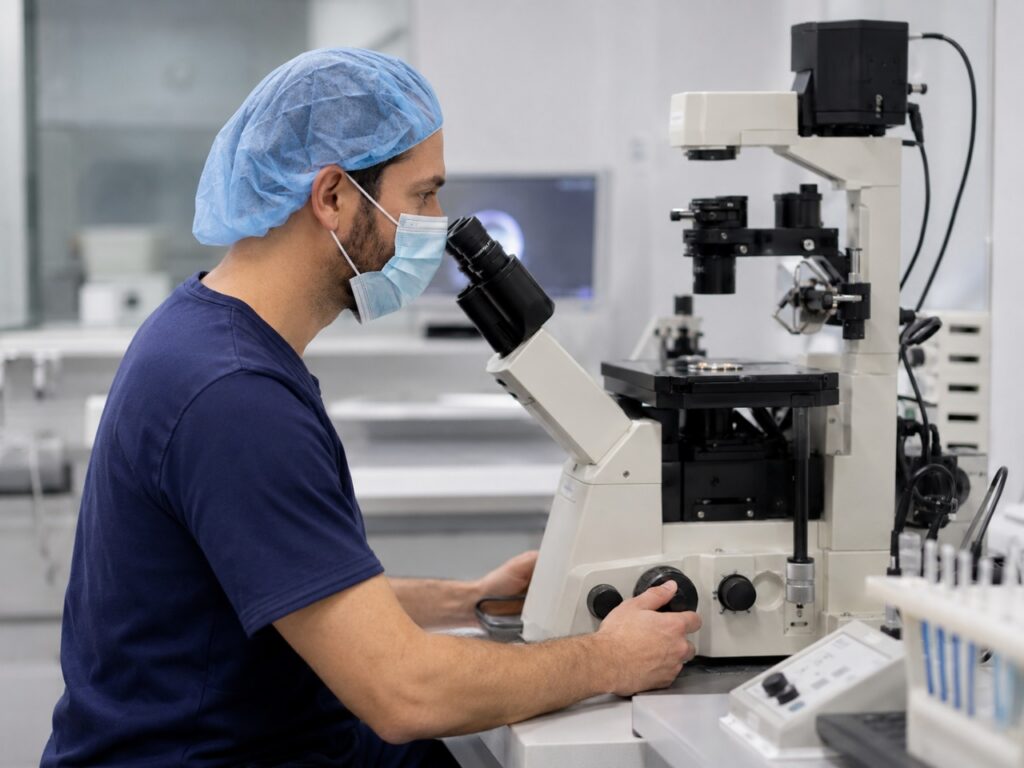
The right clinic should be honest about both hope and uncertainty.
Look for a fertility team that explains what PRP may do, what it cannot prove, and why it may or may not fit your case. You should not hear pressure-based claims or promises about success.
You also want advanced fertility experience. IVF requires strong clinical judgment and strong lab performance. PRP, if considered, should fit into a bigger strategy that includes testing, stimulation planning, monitoring, egg retrieval, fertilization, embryo culture, and transfer planning.
Emotional support matters too. Fertility care can bring grief, hope, confusion, and hard decisions into the same week. A caring team helps you feel informed, not pushed.
IVFLA Fertility provides personalized reproductive care for patients from Murrieta, Beverly Hills, and nearby communities. The team works closely with patients to establish an accurate diagnosis and build a treatment plan that fits their needs.
FAQs About Platelet Rich Plasma Fertility Therapy in Murrieta
1. What is platelet-rich plasma fertility therapy?
Platelet-rich plasma fertility therapy uses concentrated platelets from your own blood. In fertility care, doctors may discuss ovarian PRP for ovarian response or endometrial PRP for uterine lining concerns.
2. Can PRP improve egg quality?
PRP is being studied for ovarian function and ovarian response, but it cannot guarantee better egg quality. Age, genetics, ovarian reserve, sperm quality, and embryo development still play major roles.
3. Who may be a candidate for PRP?
A possible candidate for PRP may have poor ovarian response, diminished ovarian reserve, premature ovarian insufficiency, prior IVF challenges, or uterine lining concerns. Your doctor needs to review your full fertility history first.
4. Is ovarian PRP the same as endometrial PRP?
No. Ovarian PRP involves placing PRP into the ovaries. Endometrial PRP involves placing PRP into the uterus, often when the uterine lining is part of the treatment concern.
5. Does a PRP injection hurt?
You may feel discomfort from the blood draw, injection, or recovery. The experience depends on the type of PRP treatment, the injection site, the technique, and whether medication or sedation is used.
6. Can Murrieta patients contact IVFLA Fertility about PRP?
Yes. Murrieta patients can contact IVFLA Fertility to schedule a consultation and learn whether platelet-rich plasma therapy may be appropriate for their diagnosis and treatment goals.
Final Words – Is PRP Fertility Therapy Worth Discussing?
PRP fertility therapy may be worth discussing if you have poor ovarian response, diminished ovarian reserve, premature ovarian insufficiency, or previous IVF cycles that did not produce the response you hoped for.
Research continues to grow, but the evidence remains limited. Some studies report improved ovarian response markers, while major evidence reviews still call the live birth data unclear. That is why you need a fertility doctor who will explain both the possible upside and the limits.
If you are in Murrieta and wondering whether PRP belongs in your fertility plan, schedule a consultation with IVFLA Fertility. The team can review your testing, explain your options, and help you decide on the next step with clarity.

Dr. Steven C. Presser is a Beverly Hills fertility specialist with over three decades of experience, trained at USC, Cedars-Sinai, and UCLA. He is widely recognized for his research and publications in reproductive health, nutrition, and fertility preservation, and is fluent in English, Spanish, and Hebrew.