

You are eating healthier, tracking your cycle, and doing everything you can to prepare for pregnancy, but you may still wonder if your daily meals are helping or hurting your chances of conceiving. Many couples trying to get pregnant ask the same question:
Can a fertility diet improve reproductive health and support conception?
The answer is that nutrition matters, but it is only one piece of the picture. The foods you eat can provide important nutrients that support hormone balance, egg and sperm quality, and overall wellness. A diet rich in whole foods, antioxidants, healthy fats, vitamins, and minerals may help create a healthier environment for reproduction.
At IVFLA Fertility, we understand that every fertility journey is different. Couples in Murrieta, Beverly Hills, and Los Angeles often come to us looking for answers about infertility, reproductive health, and their options for treatment. Under the care of Beverly Hills fertility doctor Steven C. Presser, M.D., our team combines advanced fertility treatments with personalized guidance that considers your health, lifestyle, and goals.
A fertility diet is not a replacement for fertility testing or medical treatment. However, making thoughtful dietary choices can support your body while you work with a fertility specialist to understand your unique needs.
What You’ll Learn
- How diet and fertility are connected
- Which nutrients may support female fertility and male fertility
- Foods that may help support egg health, sperm quality, and reproductive wellness
- Foods to include and foods to avoid when trying to conceive
- How nutrition fits into a complete fertility plan
Understanding the Connection Between Diet and Fertility
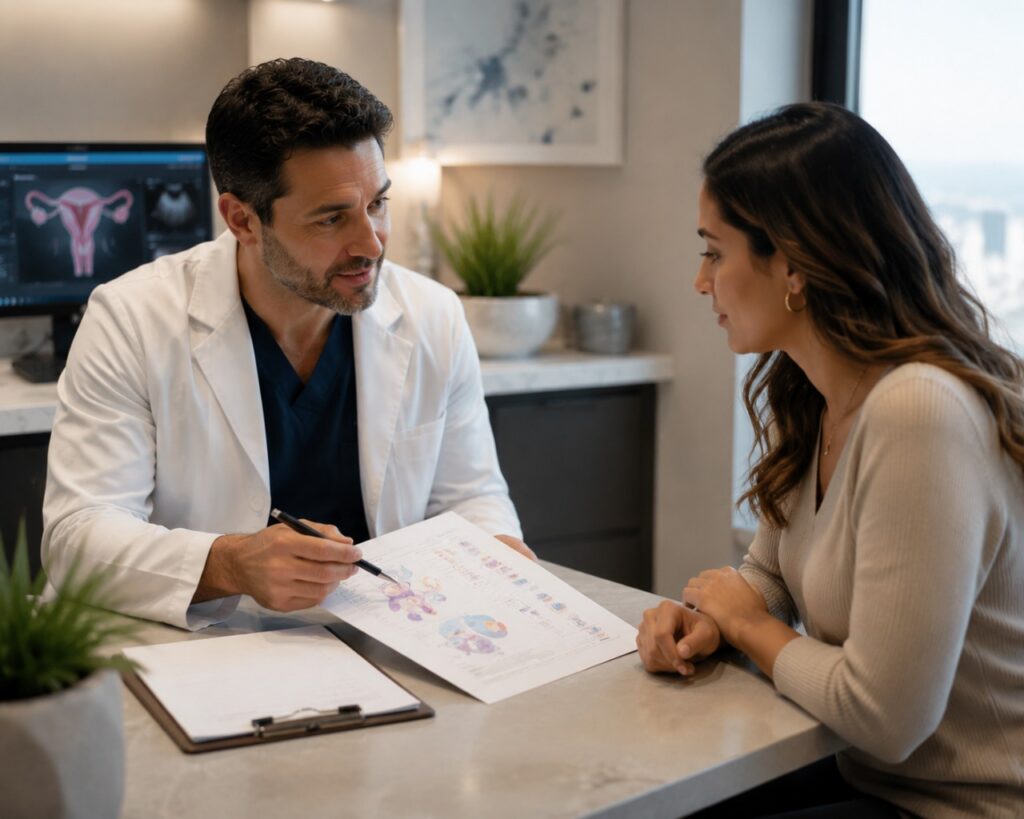
Food does more than provide energy. The nutrients you consume influence many processes inside your body, including hormone production, inflammation control, and cellular health. Understanding the connection between diet and fertility can help you make informed decisions while preparing for conception.
How Nutrition Supports Reproductive Health
Your reproductive system depends on a steady supply of nutrients to function properly. The body uses vitamins, minerals, healthy fats, and antioxidants to support processes involved in ovulation, egg development, sperm production, and pregnancy preparation.
One important area researchers continue to study is oxidative stress. Oxidative stress happens when free radicals in the body outweigh protective antioxidants. Too much oxidative stress may affect reproductive cells, including eggs and sperm.
Foods high in antioxidants, such as berries, leafy greens, nuts, seeds, and colorful vegetables, may help the body manage oxidative stress. These foods are part of many healthy dietary patterns associated with better overall health.
A balanced diet may also support healthy blood sugar levels. This is especially important for individuals with conditions such as PCOS, which can affect ovulation and fertility. Maintaining stable blood sugar through nutritious meals may support hormone balance and reproductive health.
Research published in Nutrients reviewed the relationship between nutrition and fertility, showing that dietary patterns rich in vegetables, whole grains, healthy fats, and antioxidant-containing foods may be associated with improved fertility outcomes.
Why a Personalized Fertility Approach Matters
There is no single fertility diet that guarantees pregnancy. Every person has different health factors that can affect fertility, including age, hormone levels, medical history, and fertility diagnosis.
For example, nutrition recommendations may look different for someone managing PCOS compared with someone preparing for IVF treatment. A person experiencing female infertility may need a different approach than someone addressing male fertility concerns related to sperm quality.
Your fertility plan should consider:
- Your age and reproductive goals
- Hormone and ovulation patterns
- Medical conditions
- Nutritional needs
- Current or planned fertility treatments
At IVFLA Fertility, we focus on understanding the complete picture before recommending next steps. Nutrition, lifestyle choices, and medical care should work together to support your fertility goals.
Key Nutrients That May Support Fertility Health

A healthy fertility diet is not about finding one special food. It is about consistently giving your body the nutrients needed for reproductive health.
Antioxidants, Folate, and Vitamins That Support Fertility
Antioxidants help protect cells from damage caused by oxidative stress. Since eggs and sperm are sensitive to cellular changes, researchers have explored how antioxidant-rich foods may support reproductive health.
Important nutrients for fertility include:
- Folate and folic acid: Folate supports healthy cell division and is especially important before pregnancy. Adequate folic acid intake can help reduce the risk of neural tube defects during early pregnancy.
- Vitamin C: Found in citrus fruits, strawberries, and vegetables, vitamin C supports antioxidant protection.
- Vitamin E: Found in nuts and seeds, vitamin E supports cellular health.
- Zinc and selenium: These minerals support normal reproductive function and are important nutrients for fertility.
Many healthcare providers recommend a prenatal vitamin containing folic acid when trying to conceive. However, you should discuss supplements with your doctor to determine what is right for your situation.
Healthy Fats and Omega-3 Fatty Acids
Fat is often misunderstood when discussing nutrition. Your body needs healthy fats for hormone production, cell function, and overall reproductive health.
Omega-3 fatty acids are especially important because they support healthy inflammation responses and are commonly included in fertility-focused eating patterns.
Sources of healthy fats include:
- Salmon
- Sardines
- Avocado
- Olive oil
- Walnuts
- Chia seeds
- Flax seeds
A Mediterranean diet, which includes vegetables, fruits, seafood, legumes, whole grains, and olive oil, has been studied for its possible association with improved fertility outcomes.
Fertility Supporting Foods to Include in Your Diet
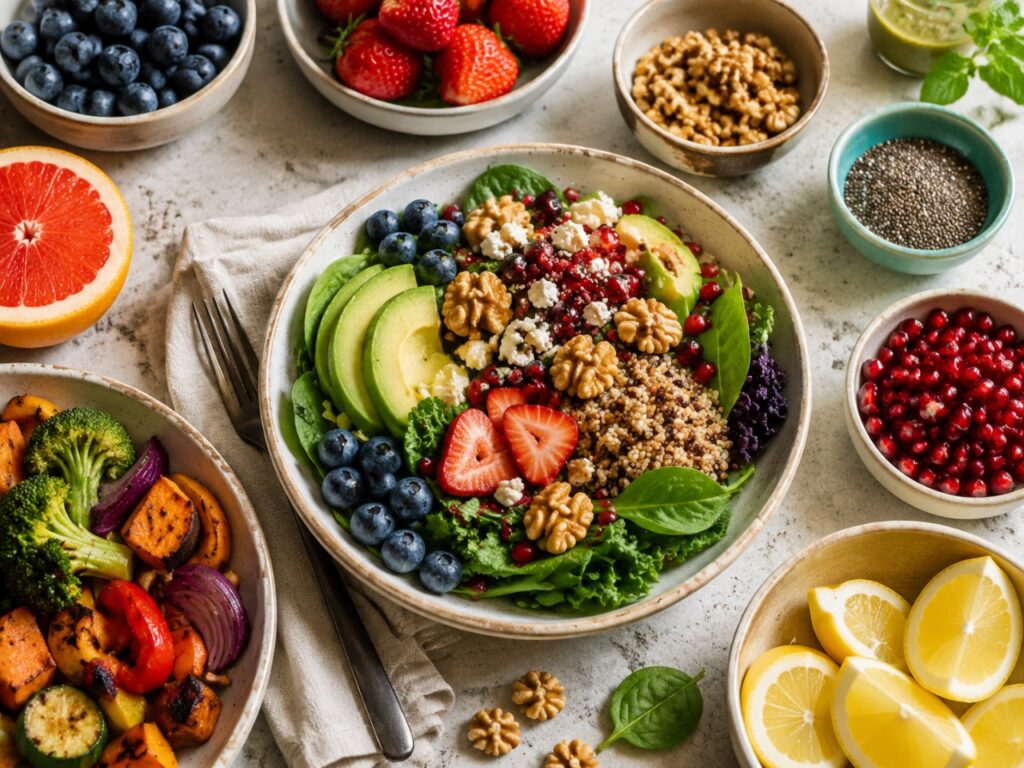
Choosing the right foods can help you build meals that support your overall health while trying to conceive. Focus on meals around whole foods instead of searching for one “fertility food.”
Leafy Green Vegetables and Folate-Rich Foods
Leafy green vegetables are some of the best foods to include in a fertility-focused meal plan. They provide folate, fiber, antioxidants, and other important nutrients.
Examples include:
- Spinach
- Kale
- Broccoli
- Romaine lettuce
Folate plays an important role in female reproduction and early pregnancy development. Getting enough folate before conception is recommended because it supports healthy cell growth.
Beans, Lentils, and Plant-Based Protein Sources
Protein supports many functions in the body, including hormone production and tissue repair. Plant-based protein sources also provide fiber and minerals that support a balanced diet.
Good options include:
- Lentils
- Chickpeas
- Black beans
- Soy foods
Research suggests that replacing some animal protein with plant-based protein may be associated with a lower risk of ovulatory infertility.
Whole Grains and Fiber-Rich Foods
Whole grains provide nutrients that support metabolic health and help create balanced meals.
Examples include:
- Oats
- Quinoa
- Brown rice
- Whole grain bread
Fiber may help regulate blood sugar levels, which can be important for hormone health. This is particularly relevant for people with PCOS or insulin resistance.
Nuts, Seeds, and Nutrient-Dense Snacks
Nuts and seeds are simple additions to a fertility-supportive diet. They contain healthy fats, minerals, and antioxidants.
Consider adding:
- Almonds
- Walnuts
- Chia seeds
- Flax seeds
A handful of nuts or seeds can make an easy snack while adding important nutrients for fertility.
Fruits Rich in Antioxidants
Colorful fruits provide vitamins and plant compounds that support overall wellness.
Foods that boost fertility support may include:
- Berries
- Pomegranates
- Oranges
- Kiwi
A varied diet with a variety of fruits and vegetables helps your body receive a wider range of nutrients.
Foods and Eating Habits That May Negatively Affect Fertility
While adding healthy foods is important, it is also helpful to understand certain habits that may not support fertility goals.
Processed Foods and Added Sugar
A diet high in processed foods, added sugar, and unhealthy fats may negatively affect overall health. Highly processed meals often contain fewer nutrients compared with whole foods.
Try to limit:
- Sugary drinks
- Highly processed snacks
- Fried foods
- Foods high in trans fat
You do not need to avoid every treat. The goal is creating healthier patterns that you can maintain.
Alcohol and Poor Nutritional Balance
Alcohol consumption is an important consideration when trying to conceive. Many healthcare providers recommend limiting alcohol because it may affect reproductive health.
If you are undergoing fertility treatments or actively trying to become pregnant, discuss alcohol use with your fertility specialist.
Extreme Dieting and Restrictive Eating
Very restrictive diets may lead to nutrient deficiencies. Your body needs enough calories, protein, vitamins, and minerals to support healthy reproductive function.
Avoid major dietary changes without professional guidance, especially when preparing for pregnancy.
Fertility Diet Considerations for Women and Men

Fertility involves both partners. Nutrition can support fertility for men and women because both egg and sperm health contribute to conception.
Nutrition Considerations for Egg Health
Female fertility is influenced by many factors, including age, ovarian reserve, genetics, and lifestyle.
A nutrient-rich diet may support the body by providing:
- Antioxidants
- Healthy fats
- Folate
- Vitamins and minerals
However, diet alone cannot reverse age-related changes in egg quality. If you have concerns about fertility, a fertility evaluation can provide clearer answers.
Nutrition Considerations for Sperm Health
Male fertility is also affected by lifestyle factors. Sperm production requires nutrients that support healthy development.
Important nutrients for sperm quality include:
- Zinc
- Selenium
- Antioxidants
- Omega-3 fatty acids
A healthy diet may support semen quality in men, but fertility concerns should always be evaluated by a qualified healthcare provider.
Creating a Fertility-Focused Meal Plan in Murrieta and Los Angeles
Small changes can make healthy eating easier during your fertility journey. Focus on consistency rather than trying to create a perfect diet.
Examples of Balanced Fertility-Supportive Meals
| Meal | Example |
|---|---|
| Breakfast | Oatmeal with berries, walnuts, and Greek yogurt |
| Lunch | Salmon salad with leafy greens, avocado, and olive oil dressing |
| Dinner | Lentil bowl with vegetables and whole grains |
| Snacks | Nuts, fruit, hummus with vegetables |
Practical Tips for Building Healthy Eating Habits
Try these simple steps:
- Plan meals ahead of time.
- Choose whole foods more often.
- Include protein, healthy fats, and fiber in each meal.
- Drink enough water.
- Ask your doctor about prenatal vitamins or supplements.
A realistic meal plan is easier to follow and can become part of your long-term fertility support.
How Nutrition Fits Into Your Fertility Treatment Plan at IVFLA Fertility

Nutrition can support your health, but many couples need personalized medical guidance when facing infertility.
Comprehensive Fertility Evaluation and Treatment
IVFLA Fertility provides fertility evaluation and advanced treatment options for patients in Murrieta, Beverly Hills, and the Los Angeles area.
Services may include:
- Fertility testing
- IVF
- Fertility preservation
- Advanced reproductive technologies
Dr. Steven C. Presser, M.D., has helped couples pursue parenthood since 1991. Dr. Arjun Kadam, Ph.D., HCLD, leads the IVF laboratory and brings extensive experience in reproductive medicine and assisted reproductive technology.
Combining Lifestyle Support With Fertility Care
Diet and lifestyle choices can complement fertility treatments. Your nutrition, stress management, and overall wellness may become important parts of your fertility plan.
At IVFLA Fertility, we believe every patient deserves care that considers both medical needs and personal goals.
Frequently Asked Questions About Fertility Diets
1. Can a fertility diet improve my chances of getting pregnant?
A fertility diet may support reproductive health, but diet alone cannot guarantee pregnancy. Fertility depends on many factors, including age, hormones, reproductive anatomy, and sperm health.
2. What are the best foods to eat when trying to conceive?
Foods commonly recommended include leafy greens, fruits, whole grains, beans, nuts, seeds, seafood, and healthy fats such as olive oil and avocado.
3. Should men follow a fertility diet too?
Yes. Male fertility can be affected by nutrition and lifestyle factors. A healthy diet may support sperm quality and overall reproductive health.
4. Is the Mediterranean diet good for fertility?
Research suggests the Mediterranean diet may be associated with better fertility outcomes because it includes vegetables, whole grains, healthy fats, and antioxidant-rich foods.
5. Do I need a folic acid supplement when trying to conceive?
Many healthcare providers recommend folic acid before pregnancy because it supports early fetal development. Speak with your doctor about the right amount for your needs.
6. When should I consult a fertility specialist?
Consider seeing a fertility specialist if you have been trying to conceive without success, have irregular ovulation, known reproductive concerns, previous pregnancy losses, or questions about fertility treatments.
Supporting Your Fertility Journey With Informed Choices
A fertility diet can be a helpful part of preparing your body for conception. Eating a balanced diet filled with whole foods, healthy fats, antioxidants, and essential nutrients may support reproductive health for both men and women.
However, nutrition is only one part of fertility care. If you are struggling with infertility or have concerns about your chances of getting pregnant, working with a fertility specialist can help you understand your options.
IVFLA Fertility provides personalized fertility care for patients in Murrieta, Beverly Hills, and throughout Los Angeles. With advanced reproductive treatments and compassionate guidance, our team helps couples take informed steps toward building their families.
If you are ready to learn more about your fertility options, schedule a consultation with IVFLA Fertility today and take the next step toward your parenthood goals.

Dr. Steven C. Presser is a Beverly Hills fertility specialist with over three decades of experience, trained at USC, Cedars-Sinai, and UCLA. He is widely recognized for his research and publications in reproductive health, nutrition, and fertility preservation, and is fluent in English, Spanish, and Hebrew.