

You’ve probably heard stories of couples who try for years to have a baby but can’t. Behind those stories are people longing for hope, searching for answers, and praying for one small miracle. Now imagine you could be the reason that miracle happens.
That’s what happens when you donate your eggs. As an egg donor, you help someone start a family and experience the joy of parenthood. At IVFLA Fertility in Beverly Hills, we see firsthand how egg donors change lives every single day. Many women are surprised to learn how structured, safe, and medically guided the egg donation process really is.
If you’ve ever thought about becoming an egg donor but weren’t sure where to start, this guide explains everything; from the eligibility requirements to the retrieval procedure, donor compensation, and how to apply online to begin your journey.
Understanding Egg Donation
To truly appreciate the impact of egg donation, let’s start by understanding what the process is and how it changes lives.
What Egg Donation Really Means
Egg donation is a reproductive process where a healthy woman donates her eggs to help individuals or couples struggling with infertility. Those eggs are fertilized in a lab to create embryos that can later be implanted into the recipient’s uterus.
In most cases, recipients are women who can carry a pregnancy but cannot use their own eggs because of ovarian issues, endometriosis, or age-related infertility. The fertility specialists at IVFLA Fertility ensure that every donor goes through a careful screening process to make sure the procedure is safe and ethical.
Egg donors give more than eggs; they give hope. Whether you help a same-sex couple, a cancer survivor, or someone facing early menopause, your decision could make parenthood possible for them.
Why Women Choose to Donate
Most donors tell us their motivation is simple: they want to help others. There’s a deep sense of pride and fulfillment that comes from giving a gift as personal as fertility.
Of course, there’s also donor compensation, which acknowledges your time, effort, and commitment throughout the cycle. Donors also appreciate the opportunity to learn about their own reproductive health through advanced fertility testing.
At IVFLA Fertility, we believe every donor should feel valued, supported, and informed at every stage.
Core Egg Donor Requirements in Los Angeles
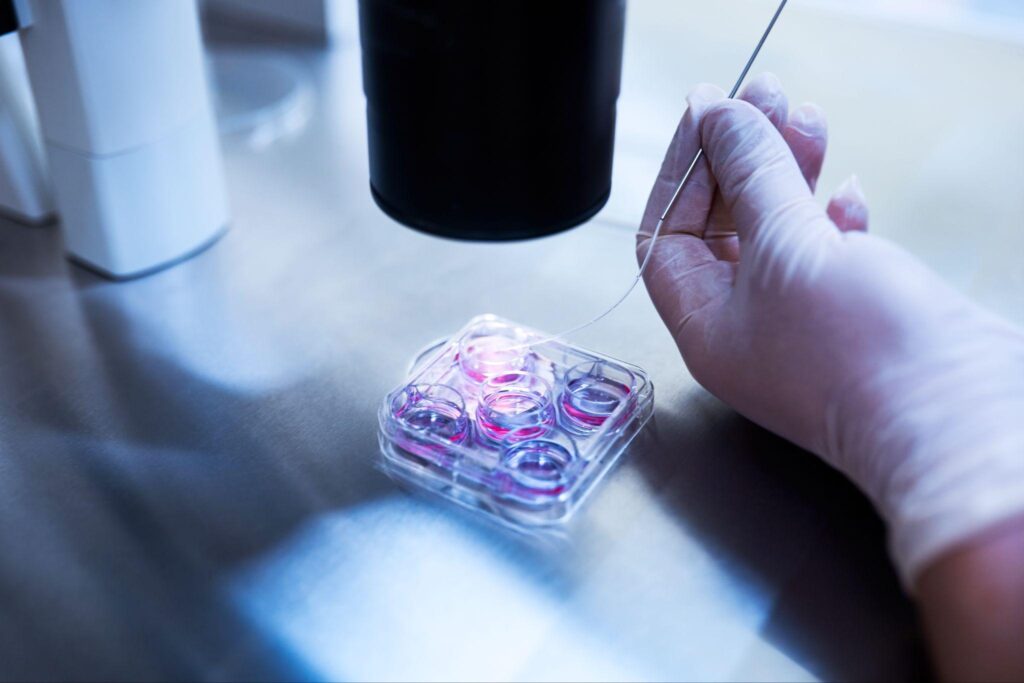
Before you can become an egg donor, you’ll need to meet certain medical and personal qualifications. These guidelines protect your health and ensure successful outcomes for everyone involved.
| Requirement Category | Basic Qualifications |
| Age Range | Between 21 and 30 years old |
| Health | Good physical health, no genetic or chronic medical conditions |
| Lifestyle | Non-smoker, no drug use, limited alcohol, healthy BMI |
| Medical History | No history of reproductive disorders like severe endometriosis |
| Legal Status | Must live legally in the U.S., valid ID, Social Security number |
| Commitment | Must be available for appointments and injections during the cycle |
Age and Health Standards
Most fertility clinics, including IVFLA Fertility, accept donors between the ages of 21 and 30. This range ensures the best egg quality and a lower chance of complications during the donation cycle.
You should have regular periods and no serious medical conditions. Donors must also be free from inherited disorders and infectious diseases such as HIV or hepatitis.
These health checks help safeguard both you and the intended parents.
Lifestyle and Habits
Potential donors must maintain a healthy lifestyle. You can’t smoke, use recreational drugs, or drink heavily. Maintaining a healthy BMI (usually between 19 and 29) helps improve hormonal balance and lowers the risk of ovarian hyperstimulation syndrome (OHSS) during treatment.
We also look for maturity and reliability. The donation process requires attending multiple visits, following instructions, and committing to hormone injections for several weeks.
Family Medical History
You’ll need to share information about your parents, grandparents, and siblings. This helps identify possible genetic risks for the recipient or child.
Our genetic screening includes tests for conditions like cystic fibrosis, sickle cell disease, and spinal muscular atrophy. Identifying these risks early allows us to make responsible reproductive decisions.
Legal Residency and Identification
To participate in IVFLA Fertility’s egg donor program, you must be legally allowed to work and reside in the U.S. You’ll also need valid identification and a Social Security number for donor compensation and documentation.
These details ensure compliance with California’s fertility and reproductive medicine laws and Food and Drug Administration (FDA) donor regulations.
Psychological and Emotional Readiness

Egg donation is as emotional as it is medical. Every donor candidate meets with a counselor as part of the screening process.
Mental Health Screening
We conduct a professional psychological evaluation to ensure you’re emotionally ready to donate. The counselor will ask questions about your motivation, stress management, and understanding of the process.
You’ll talk through possible feelings about donating your genetic material and what that might mean for you in the future. It’s important that you feel confident and informed before starting the cycle.
Long-Term Considerations
Some donors wonder about privacy and whether their identity remains protected. At IVFLA, the process can remain completely anonymous or partially identifiable based on what you and the recipient agree to.
Our team also discusses possible future contact through DNA databases or registries so you understand every scenario upfront.
We’re here for you emotionally as well as medically. Our staff checks in before, during, and after your donation to make sure you always feel supported.
The Egg Donation Process Step by Step
Once you’re approved, your official egg donation journey begins.
Initial Application and Screening
Start by submitting an online application through the IVFLA Fertility website. It includes personal details, lifestyle information, and basic medical history.
If you meet the initial screening standards, we’ll invite you for an in-person or virtual consultation. This visit covers your medical background, goals, and expectations.
After that, we schedule lab work, genetic tests, and ultrasounds to evaluate your ovarian health and follicle count.
Hormone Testing and Ovarian Assessment
You’ll undergo hormone tests for AMH (Anti-Müllerian Hormone), FSH, and estradiol, along with an ultrasound to check your ovaries. These results help us determine how your body will respond to medications.
Healthy ovarian function means better outcomes and a smoother experience during the donation cycle.
Genetic and Infectious Disease Screening
Every donor must pass federal and state health requirements. We’ll test for infectious diseases such as HIV, hepatitis B and C, and syphilis.
You’ll also complete genetic testing to ensure no hereditary conditions could be passed on to the baby. This process keeps both donor and recipient safe.
Legal and Ethical Counseling
Before you begin medications, we’ll review all contracts and consent forms. These outline your rights, the intended parents’ responsibilities, and how confidentiality is maintained.
We’ll also explain that once your eggs are retrieved, you no longer have legal or parental rights over any embryos created.
Transparency and honesty are central to our donor program at IVFLA Fertility.
The Donation Cycle

Once your screening is complete and you’ve been matched, you’ll start the egg donation cycle.
Preparing for Stimulation
For about 10 to 12 days, you’ll take hormone injections that encourage your ovaries to produce multiple mature eggs instead of just one.
During this time, you’ll come in for frequent blood tests and ultrasounds so we can track how your follicles are developing. These visits usually last less than 30 minutes.
Our fertility doctors carefully adjust your medication based on your response to reduce side effects and minimize the risk of OHSS.
The Egg Retrieval Procedure
When your follicles are ready, we schedule the egg retrieval. It’s a short surgical procedure done under light sedation, so you won’t feel discomfort.
Using a thin needle, the doctor collects eggs from your ovaries through the vaginal wall. The procedure usually takes 20–30 minutes.
Afterward, you’ll rest in our recovery area for about an hour before going home. Some mild bloating or cramping is normal, but most donors feel fine the next day.
Aftercare and Support
We’ll check in with you after retrieval to make sure you’re recovering well. Hydration and rest are key. Avoid heavy workouts or sexual activity for a few days to allow your body to heal.
Our team remains available if you have any concerns or unexpected symptoms. We take your well-being seriously; your comfort matters as much as the success of the donation.
Compensation and Legal Protections
Alongside the personal fulfillment egg donation brings, there are also financial and legal aspects every donor should understand.
Donor Compensation in Los Angeles
At IVFLA Fertility, donors typically receive $7,000 to $15,000 per completed cycle depending on experience and eligibility. Compensation reflects your time, effort, and commitment; not the value of the eggs themselves.
All payments comply with ASRM ethical guidelines and are processed legally and transparently.
Confidentiality and Legal Agreements
Your identity and medical information remain protected. Every donor signs a confidentiality agreement that clearly defines privacy terms and the rights of all parties.
You can choose whether to stay anonymous or allow limited, non-identifying information to be shared with the recipient.
Tax Considerations
Compensation is taxable income. You’ll receive a 1099 form for your records, and we recommend consulting a tax professional for proper reporting.
Why Choose IVFLA Fertility for Egg Donation
Deciding to become an egg donor is a meaningful choice, and you deserve a team that values your well-being as much as your contribution.
Personalized and Compassionate Care
Led by Dr. Steven C. Presser and Dr. Arjun Kadam, IVFLA Fertility has some of the highest success rates in the country. Our Beverly Hills fertility center combines advanced reproductive medicine with individualized support.
You’ll always have a real person to call, appointments available seven days a week, and a medical team that treats you with respect and kindness.
Whole-Body Approach to Reproductive Health
We recognize that fertility is affected by your physical, emotional, and mental health. That’s why our program includes nutritional advice, stress-management techniques, and lifestyle guidance to help you feel your best during the donation cycle.
Frequently Asked Questions
1. What disqualifies you from donating eggs?
You can be disqualified from donating eggs if you have medical, genetic, or lifestyle factors that affect egg quality or pregnancy outcomes. Common disqualifications include smoking, drug use, untreated mental health issues, hereditary diseases, irregular menstrual cycles, or a high BMI. Fertility clinics also screen for age limits and overall health to ensure donor safety and success.
2. Can you be an egg donor if you vape?
No, you generally can’t be an egg donor if you vape. Nicotine and chemicals found in vapes can negatively affect egg quality and fertility. Most clinics require donors to stop vaping for several months before and during the donation process to ensure healthy eggs.
3. Do they drug test you when you donate eggs?
Yes, fertility clinics conduct drug tests during the screening process. This includes testing for recreational drugs, nicotine, and sometimes alcohol use. Regular testing ensures the safety of both the donor and the potential recipient.
4. Can I donate eggs if I have tattoos?
Yes, you can donate eggs if you have tattoos; as long as they were done at a licensed facility and you’ve had them for at least 12 months. This waiting period helps prevent the risk of infectious diseases like hepatitis or HIV that can be transmitted through unsterile tattoo equipment.
5. Do you go through surgery to donate eggs?
Yes, egg retrieval is a minor surgical procedure done under sedation. A thin needle is inserted through the vaginal wall to collect eggs from the ovaries, and the process usually takes about 20–30 minutes. Most donors recover within a day and can return to normal activities shortly after.
Conclusion: Take the First Step Toward Changing Lives
Donating eggs is one of the most generous things you can do. It’s more than a medical procedure; it’s a chance to give someone the family they’ve always dreamed of.
At IVFLA Fertility, we guide you through every stage of the journey, from your first online application to post-retrieval care. You’ll be supported by a compassionate team that values your time, health, and emotional well-being.
If you’d like to become an egg donor or learn more about your eligibility requirements, contact IVFLA Fertility in Beverly Hills today. Take the first step toward making someone’s dream of parenthood a reality.

Dr. Steven C. Presser is a Beverly Hills fertility specialist with over three decades of experience, trained at USC, Cedars-Sinai, and UCLA. He is widely recognized for his research and publications in reproductive health, nutrition, and fertility preservation, and is fluent in English, Spanish, and Hebrew.