

Every month feels like a repeat. Still no sign of pregnancy, even though you hoped by now things would shift. Maybe bloodwork shows everything in range – yet here you are, stuck in wait mode. Perhaps treatments started months ago without clear progress. Doubt creeps in: could something small make a difference? The question lingers, quiet but persistent.
If you are exploring fertility acupuncture in Murrieta, IVFLA Fertility can help you understand how acupuncture may fit into a broader fertility care plan. Our fertility clinic in Murrieta provides personalized guidance for patients considering IVF, IUI, ovulation induction, embryo transfer, and supportive integrative fertility options.
Here’s why folks in Murrieta keep talking about acupuncture when trying to conceive – it shows up a lot throughout Southern California, too. While needles won’t swap out doctor visits, pairing them with a fertility expert might boost circulation, ease tension, plus shift your daily experience while navigating treatment paths. When used alongside medical fertility care, acupuncture may help support stress reduction, cycle awareness, and overall reproductive wellness. At IVFLA Fertility, acupuncture can be part of a broader integrative fertility services plan designed to complement treatments such as IVF, IUI, ovulation induction, and embryo transfer.
Sometimes at IVFLA Fertility, acupuncture comes up during talks about next steps. Same aim every time. What you need is honesty, no false promises, plus support that pays attention to physical and emotional sides when working toward pregnancy.
How Fertility Acupuncture May Support Reproductive Health
Before you decide whether acupuncture can help you get pregnant, you need to understand how it works. There are two ways to explain it, and both matter. Most patients bring it up as part of a broader conversation about infertility treatment, not as something that works on its own.
Traditional Chinese Medicine Perspective
Energy balance matters in Traditional Chinese Medicine when considering fertility. Through targeted areas of the body, connections form with reproductive organs like the uterus and ovaries. Insertion of fine needles at precise locations may affect blood flow and nerve responses, offering a drug free, natural complement to medical fertility care. These placements follow patterns believed to be tied to hormone function.
Blood circulation to the uterus may increase with this method, while menstrual patterns become more consistent and the timing of ovulation improves. Depending on the phase – before egg release, after, or when embryo attachment occurs – the acupuncture used for fertility shifts, meeting distinct physical requirements at each stage.
This perspective might seem unusual at first glance – yet it aligns closely with current aims such as enhancing blood flow while calming physiological reactions.
Western Medical Interpretation
Medically, acupuncture affects nerve function. Nerve endings respond when thin needles are inserted, sending impulses toward the brain. As a result, levels of stress-related chemicals may decline. The body then moves gradually away from sustained tension states.
When acupuncture is applied, circulation to reproductive tissues may improve. This enhanced movement of blood within the uterus aids the growth of the endometrium, an element especially relevant at the time of embryo implantation and in initial phases of gestation.
With acupuncture, changes can occur in the hypothalamic-pituitary-ovarian axis, which is key to hormone balance and ovulation. Although it cannot address physical barriers to fertility, it may support bodily functions during clinical interventions targeting underlying causes.
Some patients use fertility acupuncture to support relaxation, uterine blood flow, and endometrial lining preparation, especially when timed with medical fertility care.
What Research Says About Acupuncture, IVF, and Fertility Outcomes
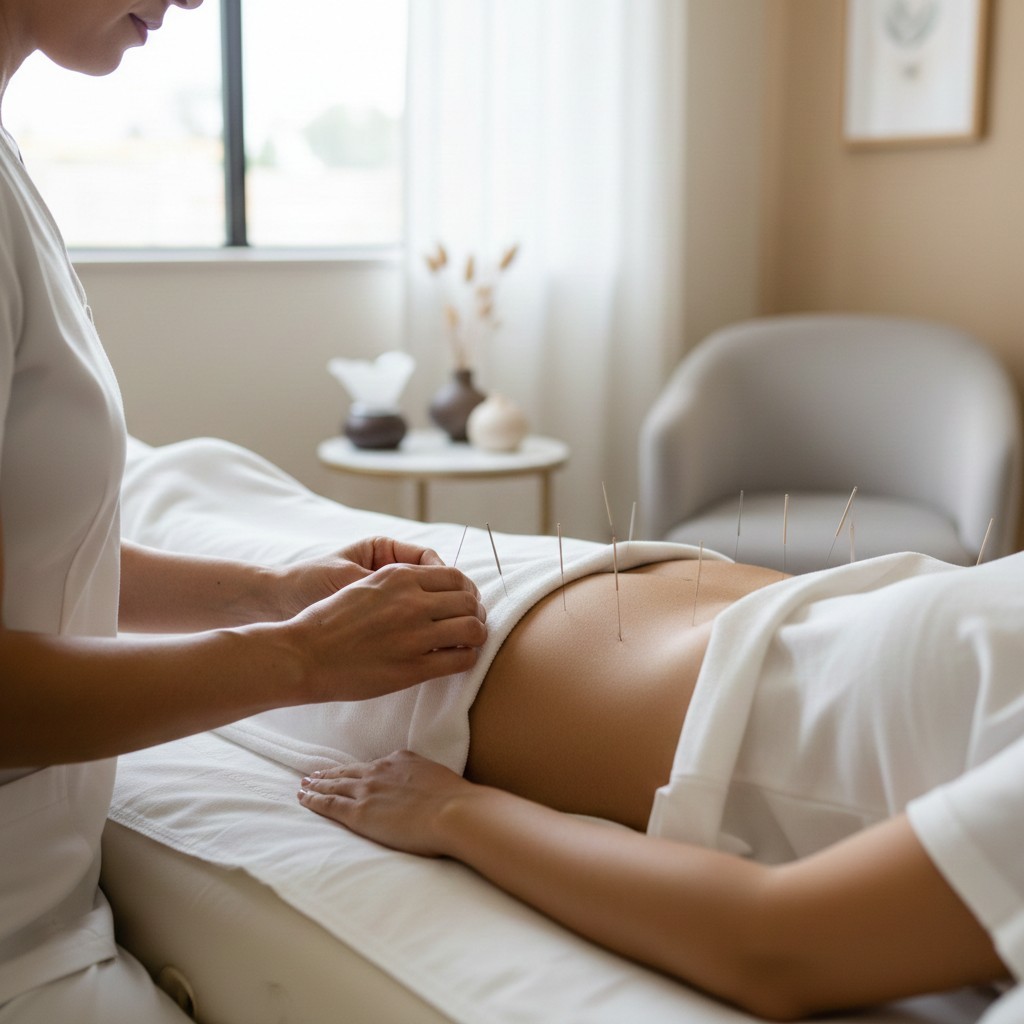
Medical decisions should rely on evidence, not trends. Here is what research actually shows.
Acupuncture and Natural Conception
Some studies suggest acupuncture may help regulate menstrual cycles and ovulation in certain patients. This appears most helpful when stress, hormonal imbalance, or irregular cycles play a role in female infertility.
A review and meta-analysis of randomized controlled trials published in Evidence-Based Complementary and Alternative Medicine reported that acupuncture may influence ovulatory function and hormonal balance in select groups.
Results vary. Acupuncture does not correct blocked tubes or genetic causes of infertility.
Acupuncture Support During IVF and IUI
On the day of embryo transfer, acupuncture draws notable focus within IVF care. Research has examined its role, though findings vary: some point to improved clinical pregnancy outcomes, while others indicate no change. Despite mixed results, one aspect remains steady: how patients describe their experience.
Women undergoing in vitro fertilization often report less anxiety and better emotional stability when they include acupuncture. UPMC and other academic centers recognize acupuncture as a supportive option during fertility treatment.
For IVF patients, acupuncture is most often discussed as supportive care around stimulation, stress management, and embryo transfer timing.
What Acupuncture Can and Cannot Do
Acupuncture can help support fertility. It cannot treat infertility by itself. It does not replace IVF, ovulation induction, or surgery. Acupuncture works best as part of infertility treatment, not instead of it.
Who May Benefit From Fertility Acupuncture in Murrieta?
Not everyone responds the same way to acupuncture. Some groups tend to benefit more than others.
- Women With Irregular Cycles or Ovulation Concerns. – If your cycles are unpredictable, acupuncture may help regulate signals involved in ovulation. Medical monitoring still matters.
- High Stress During Fertility Treatment – Stress affects fertility hormones. Acupuncture may help calm the nervous system and support sleep.
- Individuals with PCOS or Endometriosis – Acupuncture does not cure PCOS or endometriosis, but it may help support stress reduction, cycle awareness, and symptom management alongside fertility care.
- Men Addressing Sperm Quality – Because male infertility contributes to many fertility challenges, semen analysis and medical evaluation should remain part of the plan.
- Patients Preparing for or Undergoing IVF or IUI – Many fertility centers allow acupuncture during IVF cycles, especially around embryo transfer.
10 Practical Tips for Using Acupuncture During Fertility Treatment

When it comes to using acupuncture for fertility, thinking ahead makes all the difference – spur-of-the-moment tries often fall short. With these pointers, your approach aligns with actual results rather than assumptions.
1. Choose a Licensed Fertility Acupuncturist
Some acupuncturists do not work with fertility issues at all. Instead of general practice, seek one familiar with reproductive health – someone tracking ovulation patterns, IVF schedules, even embryo transfer timing. Because cycle stages change daily, the right practitioner adjusts needle placement carefully. Wrong points might interfere, so experience matters more than technique alone.
Start by checking the California license status first. When it comes to fertility acupuncture, proper training matters – without it, certain points might interfere rather than help. Wrong choices could undo what you’re trying to achieve.
2. Coordinate Care With Your Fertility Specialist
Acupuncture should support your fertility treatment, not operate separately. Your fertility specialist should know you are using acupuncture, especially during IVF treatment or infertility treatment involving medications.
Good coordination prevents scheduling conflicts around monitoring, retrieval, or embryo transfer. It also ensures acupuncture does not interfere with hormone levels or medical timing.
3. Start Acupuncture at Least 2–3 Months Early
It won’t work overnight; acupuncture needs time. Roughly ninety days pass while eggs mature. Starting sooner allows the body to adjust, improving circulation and balancing hormones, and calming the nervous system ahead of conception attempts or fertility treatments.
Not everyone sees changes immediately when they start acupuncture later in life. This timing can lead to disappointment. Starting earlier makes a difference. What happens down the line depends on when you begin.
4. Align Sessions With Your Cycle
Each week brings a different approach with fertility acupuncture. Depending on your position in the monthly cycle, the needles serve different purposes. Before ovulation, attention turns to hormones, circulation, and supporting egg quality around the ovaries. After ovulation, the focus shifts to nurturing the uterus and promoting blood flow to it.
Timing shapes how a fertility acupuncturist guides each needle placement. Depending on where you are in your cycle, adjustments unfold quietly. When treatments align with specific phases, shifts occur beneath the surface. Instead of sticking to a single routine, change comes naturally.
5. Use Acupuncture to Support Sleep and Stress Control
Stress affects fertility more than most people realize. Poor sleep, anxiety, and constant tension can affect ovulation and hormone balance. Acupuncture may help calm the nervous system and improve sleep quality.
Better sleep supports reproductive health and overall health, especially during infertility treatment.
6. Pair Acupuncture With Nutrition Guidance
Acupuncture works best when combined with healthy nutrition. Blood sugar balance, protein intake, and iron levels all matter for fertility. Some fertility acupuncturists offer basic nutrition guidance rooted in traditional Chinese medicine, while your fertility specialist addresses medical needs.
Food choices support blood flow and hormone balance. Acupuncture alone cannot do that work.
7. Stay Consistent With Weekly Acupuncture
Weekly acupuncture produces better results than occasional sessions. Consistency allows your body to respond over time. Skipping weeks often limits benefit, especially during IVF or fertility treatment cycles.
Most patients respond better to consistent care than to sporadic appointments.
8. Include Acupuncture During IVF Stimulation and Transfer
Many fertility centers allow acupuncture during IVF stimulation and on the day of embryo transfer. Acupuncture sessions during the transfer focus on promoting relaxation and improving blood flow to the uterus.
Some studies show acupuncture may improve patient comfort and emotional stability during this stage. Always coordinate timing with your fertility clinic.
9. Track Symptoms, Not Just Pregnancy Tests
Success is not only about pregnancy rates. Pay attention to sleep, cycle regularity, stress levels, and how your body feels. These signs show how well you respond to acupuncture.
Improved cycle patterns and reduced stress often appear before pregnancy does.
10. Choose Clinics That Support Collaboration
The best results come from care that works together. Choose fertility centers and acupuncture clinics that respect communication and shared planning. Fertility care should not feel divided.
When acupuncture becomes part of a coordinated treatment plan, it supports your chances of success without adding confusion.
When to Start Acupuncture Before IVF, IUI, or Trying to Conceive
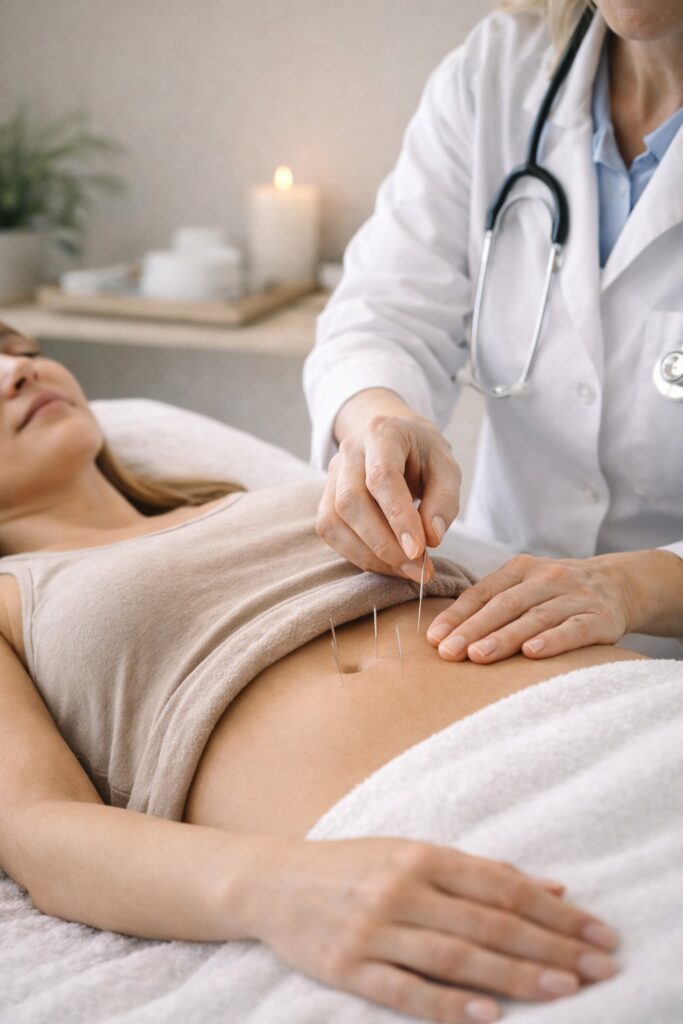
When you start acupuncture, it matters almost as much as whether you start at all.
Preconception and Cycle Preparation
Most fertility specialists suggest starting acupuncture two to three months before trying to conceive. This matches the time it takes for follicles to develop.
During Ovulation Windows
Some acupuncturists adjust acupuncture points during ovulation to support hormonal shifts and blood flow.
Before and After Embryo Transfer
Acupuncture sessions before and after embryo transfer aim to support uterine blood flow and relaxation. Embryo transfer acupuncture should be coordinated with your fertility clinic so timing does not interfere with monitoring, transfer instructions, or medications.
Long-Term vs Short-Term Use
Weekly acupuncture over several months often works better than a few sessions right before treatment.
Frequently Asked Questions About Fertility Acupuncture
1. Does acupuncture actually work for fertility?
Fertility acupuncture may support some patients by improving relaxation, stress management, and overall wellness during fertility treatment. It does not replace IVF, IUI, or fertility evaluation.
2. When is the best time to get acupuncture for fertility?
Many patients start fertility acupuncture two to three months before trying to conceive or beginning IVF or IUI. This gives time to coordinate care, track cycle patterns, and align acupuncture visits with your fertility treatment plan. Many patients discuss acupuncture timing before IVF stimulation or embryo transfer with their fertility specialist.
3. At what point in the cycle should acupuncture be used?
Fertility acupuncture may be timed differently before ovulation, after ovulation, or around embryo transfer. The right timing depends on your cycle, diagnosis, medications, and whether you are trying naturally or using IVF or IUI.
4. What should you avoid after a fertility acupuncture session?
After a fertility acupuncture session, avoid intense exercise, heavy stress, alcohol, or over-scheduling when possible. Rest, hydration, and following your fertility clinic’s instructions are especially important during IVF, IUI, or embryo transfer cycles.
5. How many acupuncture sessions are needed for fertility?
Many patients use weekly fertility acupuncture for several months, but the right schedule depends on your cycle, fertility diagnosis, and treatment plan. Patients preparing for IVF or embryo transfer may need a different schedule than patients focusing on cycle regulation or stress support. At IVFLA Fertility, your schedule should be coordinated with your fertility treatment plan.
6. Is acupuncture safe during IVF or pregnancy?
Acupuncture is generally low risk when performed by a trained, licensed practitioner, but it should be coordinated with your fertility doctor during IVF, IUI, embryo transfer, or pregnancy. Patients with high-risk pregnancies should speak with their physician before starting or continuing acupuncture.
7. Do I still need a fertility specialist if I use acupuncture?
Yes. Acupuncture should be viewed as supportive care, not a replacement for fertility testing or treatment. A fertility specialist, like the team at IVFLA Fertility in Murrieta, can evaluate ovulation, sperm quality, hormones, uterine factors, fallopian tubes, and treatment options such as IVF or ovulation induction.
How IVFLA Fertility Approaches Acupuncture as Part of Care
IVFLA Fertility prioritizes evidence-based medicine. When patients include acupuncture, we support coordination and safety. The goal stays simple. Improve comfort, reduce stress, and support reproductive health without interfering with fertility treatment.
Schedule Fertility Care in Murrieta With IVFLA
Acupuncture can support fertility. It cannot replace medical treatment. When combined with proper diagnosis, fertility treatment, and realistic expectations, acupuncture may help support your chances of success and improve how you feel during the process.
If you are considering acupuncture for fertility, schedule a consultation with IVF Fertility today.

Dr. Steven C. Presser is a Beverly Hills fertility specialist with over three decades of experience, trained at USC, Cedars-Sinai, and UCLA. He is widely recognized for his research and publications in reproductive health, nutrition, and fertility preservation, and is fluent in English, Spanish, and Hebrew.