
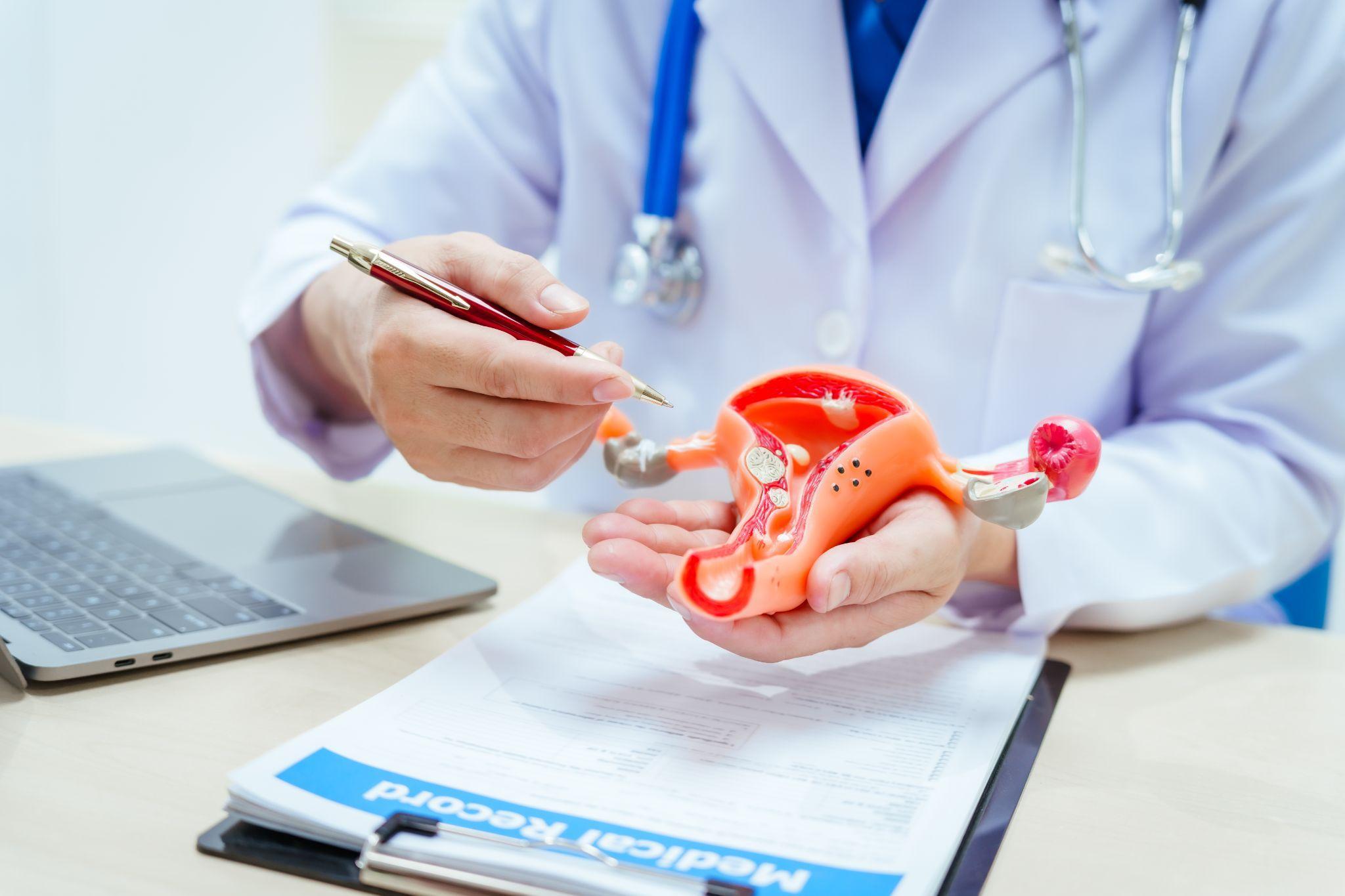
For many women, years of unexplained pelvic pain, painful periods, or infertility pass before anyone names the real cause: endometriosis. You may feel dismissed, frustrated, or told that pain is simply “part of your menstrual cycle.” Yet endometriosis is a condition that deserves serious, specialized medical attention. When left untreated, it can significantly affect your quality of life, reproductive health, and long-term fertility.
IVF LA Fertility provides advanced endometriosis treatment in Murrieta for patients seeking relief from symptoms and fertility support. Through personalized evaluations and evidence-based treatment options, patients can receive the care they need to manage symptoms, protect their fertility, and work toward their family-building goals.
Endometriosis affects millions of women worldwide and remains one of the most underdiagnosed gynecologic conditions. This chronic inflammatory disease can cause severe pain, disrupt daily life, and interfere with conception. For patients actively trying to conceive, delayed or inadequate care may worsen infertility due to endometriosis.
At IVFLA Fertility in Murrieta and Beverly Hills, we focus on accurate diagnosis and treatment, fertility preservation, and long-term relief. You benefit from individualized treatment options, advanced reproductive medicine, and minimally invasive surgical expertise designed to both relieve pain and improve fertility.
Understanding Endometriosis: Causes, Pathophysiology, and Progression
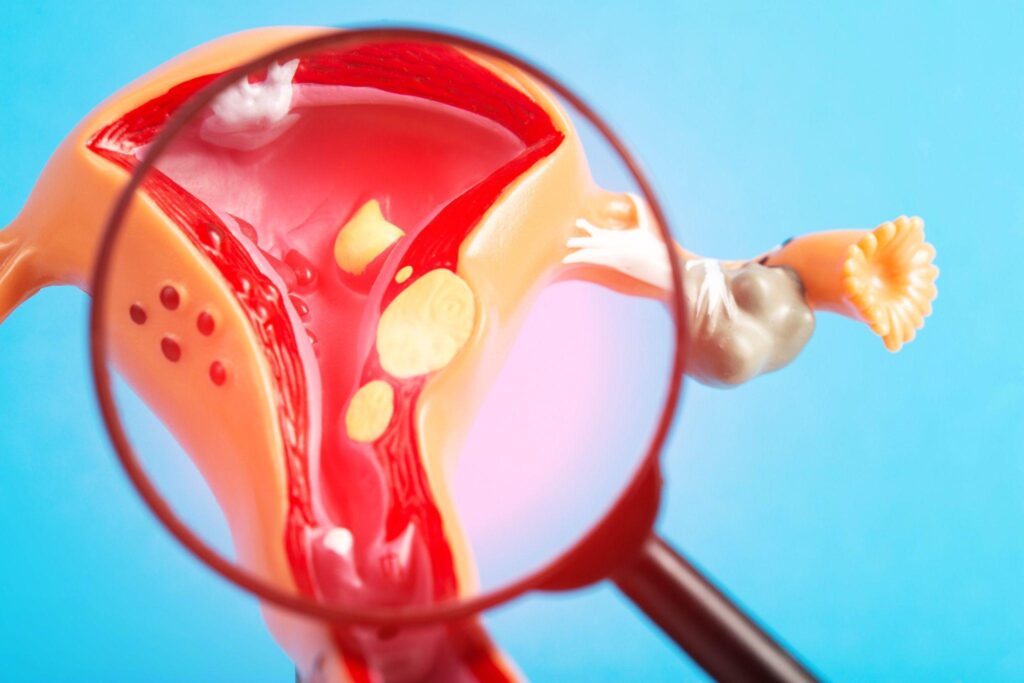
To understand how endometriosis affects pain and fertility, it helps to first understand how the condition develops.
What is Endometriosis?
Endometriosis occurs when tissue similar to the lining of the uterus grows outside the uterus. This endometriosis tissue behaves like uterine tissue (thickening and bleeding with hormonal changes) but has no way to exit the body. As a result, inflammation, scar tissue, and adhesions form.
Why It Happens
Experts believe endometriosis causes stem from multiple factors, including:
- Retrograde menstruation, where menstrual blood flows backward into the pelvic cavity
- Immune dysfunction, preventing the body from clearing misplaced tissue
- Hormonal and genetic influences that promote the growth of endometriosis lesions
According to the American Society for Reproductive Medicine, no single theory explains all cases of endometriosis, which is why personalized care matters.
Progression Over Time
If you do not treat endometriosis, the growth of endometriosis may continue. Lesions can deepen, spread to additional pelvic areas, and cause worsening pain or infertility. In advanced cases, such as stage 4 endometriosis, organs may become distorted due to extensive adhesions.
Signs, Symptoms, and When to Seek Treatment

Many women live with symptoms for years before realizing they are not normal. Recognizing these signs is the first step toward effective treatment.
Common Symptoms
The symptoms of endometriosis may vary widely. Some women experience debilitating pain, while others notice fertility issues first. Common signs include:
- Pelvic pain before or during periods
- Pain during intercourse
- Painful bowel movements or urination
- Heavy or irregular menstrual cycles
Pain and Quality of Life
Pain associated with endometriosis is not “normal period pain.” Severe pain can disrupt work, relationships, and emotional well-being. If pain symptoms interfere with daily life, you should seek evaluation.
Endometriosis and Infertility
Endometriosis affects fertility by causing inflammation, ovulatory disruption, and pelvic adhesions. Infertility due to endometriosis occurs in up to 50% of affected women. Early diagnosis and treatment may significantly improve outcomes.
Diagnostic Approach to Endometriosis at IVFLA Fertility

Because endometriosis can be difficult to detect, a careful and individualized diagnostic approach is critical.
Clinical Evaluation
We begin with a detailed medical history and physical exam. If you suspect you have endometriosis, your symptoms matter. Pain patterns, cycle timing, and reproductive goals guide testing.
Imaging Limitations
Ultrasound and MRI can identify ovarian endometriomas or deep disease, but imaging cannot reliably diagnose all cases. Normal imaging does not rule out endometriosis.
Laparoscopy
Laparoscopic surgery remains the definitive method to diagnose endometriosis. During this minimally invasive procedure, a skilled surgeon directly visualizes and treats lesions. At IVFLA, experienced reproductive surgeons perform both diagnosis and treatment in the same setting when appropriate.
Overview of Endometriosis Treatment Options
Treatment for endometriosis typically includes a combination of medical therapy and, when necessary, surgical intervention.
Medical Management
Treatment options include hormonal birth control, birth control pills, and other medications for endometriosis that suppress estrogen. These approaches may help manage symptoms but do not remove endometriosis lesions.
Anti-inflammatory drugs can reduce pain, but they do not stop disease progression.
Surgical Management
Surgery for endometriosis removes or destroys abnormal tissue. Options include excision or ablation. Surgery is often recommended when symptoms persist, fertility is affected, or medications fail.
Individualized Treatment Plans
There is no single best treatment for every patient. Your treatment plan depends on symptom severity, fertility goals, disease extent, and prior response to therapy.
Endometriosis Ablation: Procedure, Benefits, and Limitations

One commonly used surgical approach for managing endometriosis is ablation, which targets visible disease to reduce pain.
What is Endometriosis Ablation?
Endometriosis ablation destroys surface lesions using energy-based techniques. The goal is to remove the endometriosis tissue responsible for pain.
Techniques Used
Ablation may involve:
- Laser energy
- Electrosurgical instruments
- Thermal destruction
All methods are minimally invasive and performed during laparoscopy.
Who Benefits Most
Ablation works best for mild to moderate cases of endometriosis with pain-dominant symptoms. In carefully selected patients, it can provide meaningful pain relief.
Limitations
Ablation may not treat deeper disease as effectively as excision. Symptoms may return, especially if lesions were not completely destroyed. The surgeon’s experience plays a critical role in outcomes.
Endometriosis, Ablation, and Fertility Outcomes
For many patients, the biggest concern is how endometriosis and its treatment may affect the ability to conceive.
How Endometriosis Impacts Fertility
Endometriosis involves inflammation that impairs egg quality, tubal function, and implantation. Endometriosis may also disrupt ovarian reserve.
Fertility After Ablation
For some women, ablation improves natural conception rates by reducing inflammation and restoring pelvic anatomy. However, fertility outcomes vary.
When IVF Is Recommended
If infertility persists or the disease is advanced, IVF may offer the highest chance of pregnancy. Surgery and IVF often work together, not in opposition.
IVFLA’s world-class IVF lab, led by Dr. Arjun Kadam, provides advanced embryo culture and genetic testing to optimize success.
Integrative & Holistic Support at IVFLA Fertility
Effective endometriosis care often extends beyond surgery and medication to include whole-body support.
- Addressing Inflammation – Chronic inflammation worsens endometriosis pain. Nutrition, stress management, and lifestyle modifications support healing.
- Integrative Therapies – We integrate Western medicine and Eastern approaches, including nutritional counseling and mind-body support therapies, to enhance recovery and fertility.
- Long-Term Health – Endometriosis is a lifelong condition for many women. Ongoing support helps maintain symptom control and reproductive health.
Why Choose IVFLA Fertility in Murrieta & Beverly Hills
IVFLA Fertility offers specialized endometriosis care designed to relieve symptoms while protecting fertility.
- Physician Expertise – Dr. Steven C. Presser, M.D. brings decades of experience in reproductive endocrinology, infertility, and surgical management of endometriosis.
- Advanced Laboratory Support – Under Dr. Arjun Kadam, IVFLA’s IVF lab consistently achieves some of the highest pregnancy rates in the U.S.
- Fertility-First Philosophy – We never default to radical procedures like hysterectomy or remove the uterus unless absolutely necessary. Preserving fertility remains a priority.
Frequently Asked Questions About Endometriosis
1. What is the difference between ablation and excision?
Ablation destroys visible surface endometriosis lesions, while excision surgically removes the lesions entirely. Ablation uses energy to burn or vaporize superficial disease, whereas excision cuts out endometriosis tissue at its root, including deeper implants. Excision is often more effective for deep or extensive disease, but the best approach depends on lesion depth, location, and surgeon expertise.
2. Can endometriosis return after ablation?
Yes, endometriosis can return after ablation. Because ablation may not fully eliminate deeper disease, symptoms may recur over time, particularly in moderate to severe cases. Recurrence risk also depends on hormonal factors and whether all active lesions were adequately treated during surgery.
3. Will ablation improve fertility?
In selected cases, ablation can improve fertility, but it is not effective for everyone. Patients with mild endometriosis and minimal pelvic scarring may see improved natural conception rates after ablation. In more advanced disease, fertility outcomes are often better with assisted reproductive technologies such as IVF.
4. Is surgery always necessary?
No, surgery is not always required to manage endometriosis. Many patients begin treatment with hormonal medications or pain management strategies to control symptoms. Surgery is typically recommended when pain persists, fertility is affected, or medical therapy fails to provide adequate relief.
5. Does IVF work if I have endometriosis?
Yes, IVF is highly effective for many patients with endometriosis-related infertility. IVF bypasses pelvic inflammation, tubal damage, and adhesions caused by endometriosis, making it one of the most successful fertility options for moderate to severe disease or when other treatments have not resulted in pregnancy.
Summary: Restoring Health, Relieving Pain, and Protecting Fertility
Endometriosis is a common condition, but effective treatment requires expertise, whether you seek pain relief, fertility preservation, or both, early diagnosis and individualized care matter.
At IVFLA Fertility, we combine medicine and surgery, advanced reproductive technologies, and compassionate support to help you move forward with confidence. Schedule a consultation to discuss your options and next steps.

Dr. Steven C. Presser is a Beverly Hills fertility specialist with over three decades of experience, trained at USC, Cedars-Sinai, and UCLA. He is widely recognized for his research and publications in reproductive health, nutrition, and fertility preservation, and is fluent in English, Spanish, and Hebrew.