
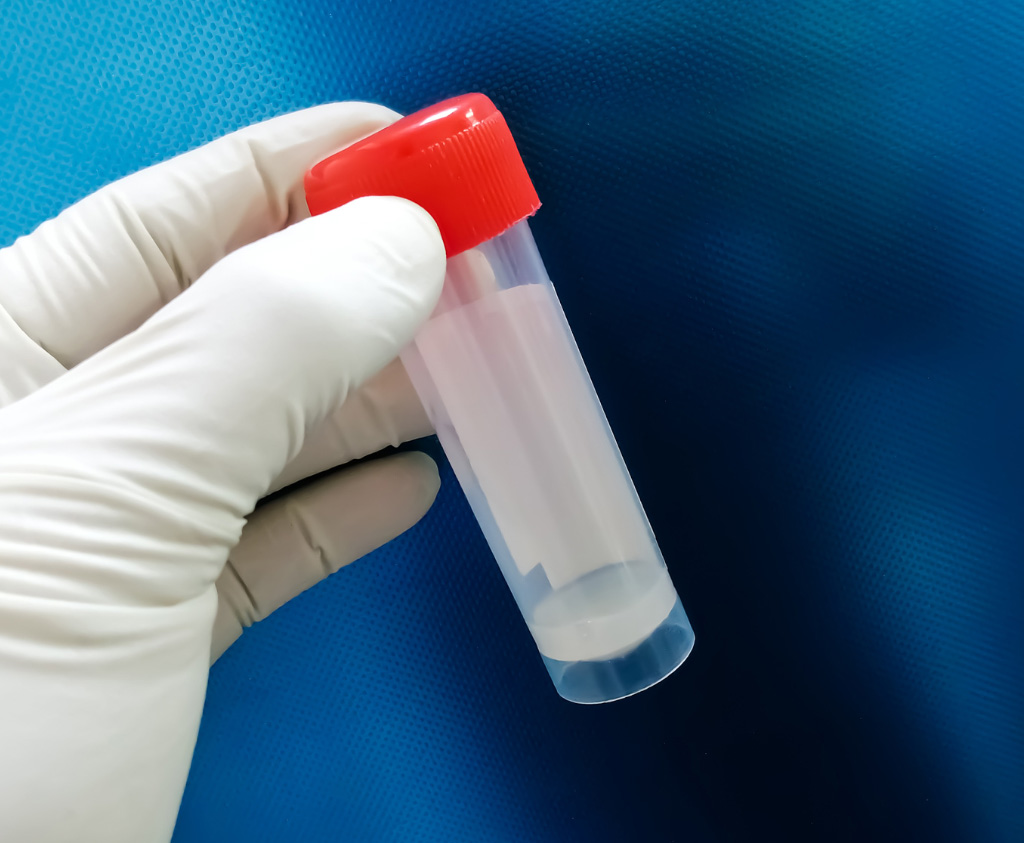
Most people assume fertility testing starts with the female partner. That is often not the best place to begin. Male fertility testing is commonly delayed, or handled with a quick home sperm test that leaves out important information.
A semen analysis is usually the simplest way to evaluate male fertility. It measures sperm count, sperm motility, and sperm morphology in one test. When done right, it points you in the right direction fast. When done poorly, it creates confusion.
At IVFLA Fertility in Murrieta and Beverly Hills, we make sure semen analysis is done correctly from the start. You get proper collection, advanced lab testing, and expert interpretation from fertility specialists. That clarity helps you move forward with confidence.
What Is a Semen Analysis? A Clinical Overview
A semen analysis is a test that evaluates male fertility by examining the semen you produce during ejaculation. Doctors use it to assess the quantity and quality of semen and the health of sperm. This test helps us understand whether sperm can fertilize an egg under natural or assisted conditions.
What the test actually measures
Semen analysis measures the quantity of semen, the number of sperm per 1 milliliter of semen, how many sperm are moving, and how well they move. It also looks at sperm shape, white blood cells, and the overall environment of the semen. These details matter because sperm may look normal but fail to move, or move well but appear abnormal.
How it differs from at-home sperm tests
At-home sperm tests usually focus on sperm count only. They do not evaluate motility, morphology, or infection markers. They also cannot assess sperm concentration accurately or detect low or absent sperm count with clinical precision. According to MedlinePlus, a full semen analysis remains the standard fertility test for male infertility.
When doctors recommend semen testing
Fertility specialists recommend semen analysis when pregnancy has not occurred after regular sexual activity, before fertility treatments, after a vasectomy to confirm it was successful, or when there is a history of male reproductive issues.
Key Parameters Measured in a Semen Analysis

A semen analysis includes several distinct measurements. Each one answers a different question about sperm health.
Semen volume and liquefaction
Volume refers to the amount of semen released during ejaculation. Normal ranges usually fall above 1.5 milliliters. Low volume may suggest a blockage or incomplete specimen collection. High volume can dilute sperm concentration.
Liquefaction describes how semen changes from thick to liquid. Delayed liquefaction can slow-moving sperm and reduce the chance of fertilizing an egg.
Sperm concentration and sperm count
Sperm concentration measures the number of sperm per 1 milliliter of semen. A normal sperm count is at least 15 million sperm per milliliter. Low sperm count or low sperm concentration can signal male infertility, hormone imbalance, or testicular issues.
Sperm motility and movement
Motility refers to the percentage of sperm that are moving. More important than movement alone is progressive motility, meaning sperm that can move forward. Sperm that cannot move properly cannot reach the female reproductive system to fertilize an egg.
Sperm morphology and shape
Morphology looks at sperm shape. Normal shape includes an oval head and a single tail. Abnormal sperm shape can reduce fertilization rates, especially during natural conception. Morphology also helps guide decisions around IVF or intracytoplasmic sperm injection.
Additional lab indicators
Semen analysis may also detect white blood cells per 1 milliliter of semen. High levels can indicate infection or inflammation. Vitality testing shows how many sperm are alive when motility is low.
How to Prepare for a Semen Analysis for Accurate Results
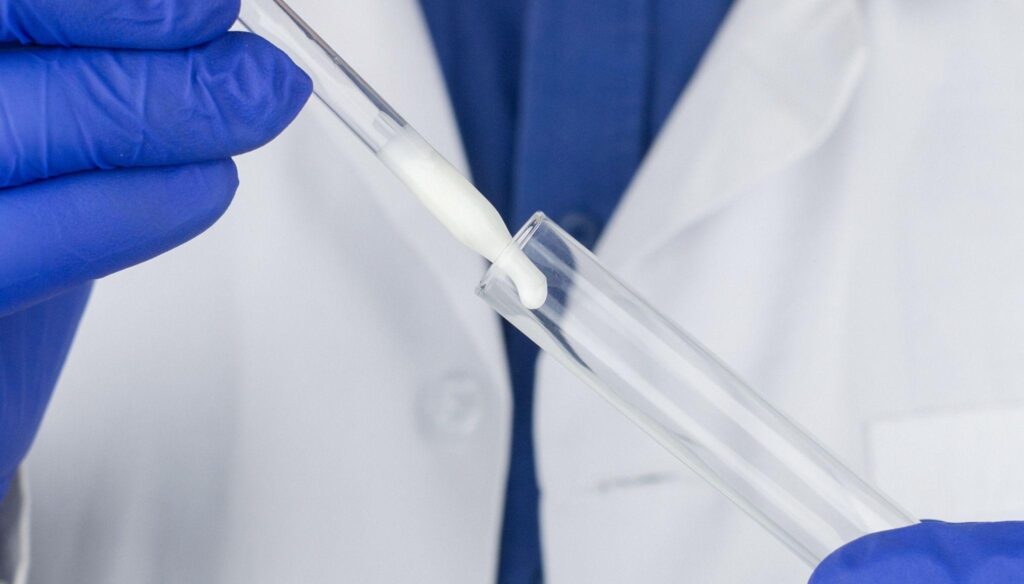
Preparation affects results more than most men realize. Small mistakes can lead to abnormal results that do not reflect your true fertility.
Abstinence before collection
You should avoid ejaculation for 2 to 7 days prior to collection. Shorter or longer periods can affect sperm concentration and motility. This window gives the most reliable snapshot of sperm production.
Lifestyle factors that affect sperm
Stress, lack of sleep, illness, intense exercise, and alcohol can affect the sperm. Nutrition and hydration also matter. Studies show sperm parameters can vary from day to day based on health and lifestyle.
Medications and medical history
Tell your health care provider about testosterone use, supplements, recent fever, or infections. Some factors cause temporary changes. Others reflect chronic reproductive health issues.
The Semen Analysis Process at IVFLA Fertility
Testing accuracy depends on how the semen specimen is collected, handled, and analyzed.
Sample collection options
Most men produce a semen sample in a private room at the fertility center. Collection happens by masturbation without lubricant or condom, unless a special fertility condom is provided. Some patients may collect a semen sample at home if approved.
Before collection, we give you clear instructions so that the specimen can be collected correctly.
Handling and transport standards
Semen should be collected into a sterile container and kept close to body temperature. The sample must reach the laboratory within 1 hour. Delays or temperature changes can affect sperm motility and viability.
Advanced laboratory evaluation
At IVFLA, specimens go directly to our IVF lab under the supervision of Arjun Kadam, PhD, HCLD. Our lab evaluates motility and concentration, morphology, white blood cells per 1, and sperm vitality using strict quality controls.
Interpreting Semen Analysis Results: What the Numbers Really Mean

Numbers alone do not tell the full story. Interpretation requires clinical context.
Normal ranges versus abnormal results
World Health Organization reference values define normal ranges, but falling outside them does not always mean infertility. Many men with abnormal results still conceive naturally.
Why results vary and repeat testing matters
Sperm production takes about 74 days. Results may vary from day to day. For this reason, semen analysis is usually repeated if results are abnormal.
Why physician review matters
A fertility doctor evaluates how sperm parameters interact. Sperm count, motility, and morphology together determine fertility potential. Raw lab values without expert review often cause unnecessary worry.
What Happens After an Abnormal Semen Analysis?
Abnormal results guide next steps. They do not end the conversation.
Identifying underlying causes
Male infertility may result from hormone imbalance, varicocele, genetics, prior vasectomy, infection, or lifestyle factors. Each cause requires a different approach.
Additional testing when needed
Further evaluation may include hormone panels, genetic testing, or advanced sperm function testing. These tests help clarify whether sperm can fertilize an egg naturally or with assistance.
Personalized treatment options
Treatment may involve lifestyle changes, medical therapy, or assisted reproductive techniques such as IVF or intracytoplasmic sperm injection. IVFLA also considers nutrition, stress, and mind-body factors as part of care.
Why Choose IVFLA Fertility in Murrieta & Beverly Hills
Choosing where you test matters as much as testing itself.
Experience led by Steven C. Presser, MD
Dr. Presser has practiced reproductive medicine since 1991. His background in fertility, nutrition, and metabolism allows a broader view of male reproductive health.
Advanced IVF laboratory standards
Our center for reproductive care uses high-level lab techniques that exceed standard labs. Precision diagnostics improve accurate results and treatment planning.
Supportive and personal care
Infertility affects both partners. Our team works closely with you seven days a week to support both male and female reproductive needs.
Semen Analysis as Part of a Complete Fertility Plan
Fertility care works best when both partners are evaluated together. Semen analysis helps guide natural conception, IUI, IVF, and fertility preservation decisions. Early testing often reduces overall cost and shortens time to pregnancy.
Frequently Asked Questions
1. How long does it take to get semen analysis results?
Most results are ready within one to three business days. Complex testing may take slightly longer.
2. Can stress or diet affect semen analysis results?
Yes. Stress, illness, alcohol, and poor sleep can affect sperm quality temporarily. That is why preparation matters.
3. Is one semen analysis enough?
Often no. Because sperm parameters vary, repeat testing improves accuracy when results are abnormal.
4. Can semen analysis results improve?
Yes. Many men see improvement after lifestyle changes or medical treatment.
5. Should both partners be tested at the same time?
Yes. Evaluating male and female reproductive systems together saves time and gives clearer answers.
Conclusion: Take the First Step With Accurate Testing
If pregnancy has not happened, guessing does not help. Accurate semen analysis gives direction and saves valuable time. At IVFLA Fertility in Murrieta and Beverly Hills, we focus on clear answers, careful testing, and expert interpretation so you know exactly where you stand.
If you are ready for real answers, schedule a consultation with our fertility specialists. We will review your history, explain your results, and help you decide on the next step with confidence.

Dr. Steven C. Presser is a Beverly Hills fertility specialist with over three decades of experience, trained at USC, Cedars-Sinai, and UCLA. He is widely recognized for his research and publications in reproductive health, nutrition, and fertility preservation, and is fluent in English, Spanish, and Hebrew.