

You’ve been trying for months, maybe even years. Each negative test feels like a setback, but deep down, you still believe it can happen. You just want to know one thing: What are my chances of success with IVF?
That’s the question every couple asks when they walk into our fertility clinic. IVF, or in vitro fertilization, gives hope when other fertility treatments haven’t worked. But success isn’t guaranteed, and not all clinics are the same. If you’re considering IVF in Murrieta or Beverly Hills, knowing your IVF success rate can help you make smart choices.
At IVFLA Fertility, we’ve guided thousands of couples to a successful pregnancy using science, compassion, and experience. Our dual clinics in Beverly Hills and Murrieta share one goal: helping you achieve a healthy live birth with the most advanced care available.
Understanding IVF Success Rates: What They Really Mean
You’ve probably seen terms like live birth rate or pregnancy rate online, but what do they actually tell you about your own odds? Let’s break it down clearly.
- Live Birth Rate: The number of IVF cycles that result in a baby being born.
- Clinical Pregnancy Rate: The percentage of cycles that lead to a confirmed pregnancy (detected via ultrasound).
- Cumulative Live Birth Rate: The chance of having a baby after several IVF attempts using the same set of retrieved eggs.
The CDC and SART (Society for Assisted Reproductive Technology) collect annual data from fertility centers nationwide. According to recent SART reports, women under 35 see about a 45%–55% live birth success rate per retrieval. This rate declines as women get older.
But remember, rates may not be meaningful if compared blindly. Every patient’s story is different. Age, diagnosis, lab quality, and the number of embryos transferred all play a role. IVF success rates vary from clinic to clinic, and your personal circumstances matter more than the national average.
Comparing National and California IVF Success Rates

California continues to be one of the top states for assisted reproductive technologies. Many fertility centers here outperform the national average. According to data from PFCLA, leading clinics in the Los Angeles area report 50%–70% live birth success rates for women under 35.
Murrieta and Beverly Hills share access to some of the country’s best IVF technology. Yet, clinic success rates may vary even within the same city. Why? Because what truly matters isn’t just equipment, it’s the people behind it. The embryologists, fertility specialists, and reproductive endocrinologists who oversee your care make all the difference.
At IVFLA Fertility, we maintain consistent laboratory standards in both locations, led by Dr. Arjun Kadam, Ph.D., HCLD. Our IVF lab follows strict criteria for ART (assisted reproductive technology) that match or exceed national standards.
Factors That Influence IVF Success Rates
Understanding what affects your IVF outcomes helps you focus on what you can control.
Maternal Age and Egg Quality
Age plays a huge role in IVF success. The younger your eggs, the higher the implantation and pregnancy success rates. Women under 35 using their own eggs have a higher chance for success. As women get older, ovarian reserve and egg quality decline, leading to lower fertilization and implantation rates. This is why many older patients consider donor eggs to improve their odds.
Cause of Infertility and Treatment Type
Your diagnosis matters. Some causes, like blocked fallopian tubes, can make IVF your best option. Others, such as male factor infertility, may require techniques like ICSI (intracytoplasmic sperm injection). If your ovarian reserve is low, we may adjust medication or stimulation protocols to improve egg retrieval outcomes.
Embryo Type and Transfer Method
There are two main types of transfers: fresh embryo transfers and frozen embryo transfers (FET). Thanks to modern freezing methods, frozen transfers now show equal or even higher success compared to fresh cycles. Studies published in Fertility and Sterility found that FETs reduce the risk of ovarian hyperstimulation while improving implantation rates.
| Factor | Higher IVF Success Rate Seen In |
| Age under 35 | Yes |
| Donor eggs used | Yes |
| Frozen embryo transfer (FET) | Often |
| High-quality blastocyst embryo | Yes |
| Single embryo transfer | Lower risk, steady success |
| Experienced fertility specialist | Yes |
Lifestyle and Emotional Health
Stress, diet, and sleep affect hormones and egg quality. Research on ScienceDirect shows that a balanced diet, exercise, and emotional support can raise pregnancy success rates. At IVFLA, we integrate nutrition counseling and mind-body therapies to support your reproductive health naturally.
How to Read and Question Clinic Success Rates

When comparing fertility centers, don’t just look for a high number. Ask the right questions to understand what those rates actually mean for you.
- Are the numbers age-adjusted?
- Do they separate fresh or frozen embryo transfer results?
- What’s included in a “cycle”? Is it based on egg retrievals or transfers?
- How many embryos are transferred per cycle?
- Do they publish cumulative live birth rates?
These questions help you see whether a clinic’s data matches your specific profile. Clinic success rates may sound impressive, but if the patient pool is younger or healthier, those numbers can be misleading. Always ask your experienced fertility specialist to interpret what the statistics mean for your situation.
IVFLA Fertility’s Approach in Murrieta and Beverly Hills
At IVFLA Fertility, our focus is personal care, not one-size-fits-all numbers. Under the leadership of Dr. Steven C. Presser, our team creates individual plans for every patient. We use advanced IVF technology while keeping compassion at the center of every visit.
Both our Murrieta and Beverly Hills clinics share the same advanced embryology lab, protocols, and care standards. Whether you start your IVF cycle in Beverly Hills or complete your embryo transfer in Murrieta, you receive the same expertise. Our lab’s success with embryo culture, blastocyst development, and preimplantation genetic testing (PGT) gives our patients some of the highest success rates in the country.
We also believe that emotional and physical well-being go hand in hand. Our fertility doctors often recommend yoga, meditation, or acupuncture to help improve circulation and reduce stress before transfer. These holistic options support your body’s natural balance during the IVF process.
Estimating Your Personal Odds
You can start with tools like the CDC IVF Estimator to get a general idea of your chances. But no calculator can capture the whole picture.
We evaluate each patient using:
- Maternal age and ovarian reserve
- Previous IVF attempts
- Embryo quality and number of embryos transferred
- Lifestyle habits and stress levels
- Male partner’s sperm parameters
If you’ve had pregnancy in the past, your odds may be higher. If this is your first IVF cycle, we discuss realistic expectations. Sometimes it takes more than one cycle, and that’s okay. A successful IVF journey is often about persistence, teamwork, and trust in the process.
How to Improve Your Chances of IVF Success
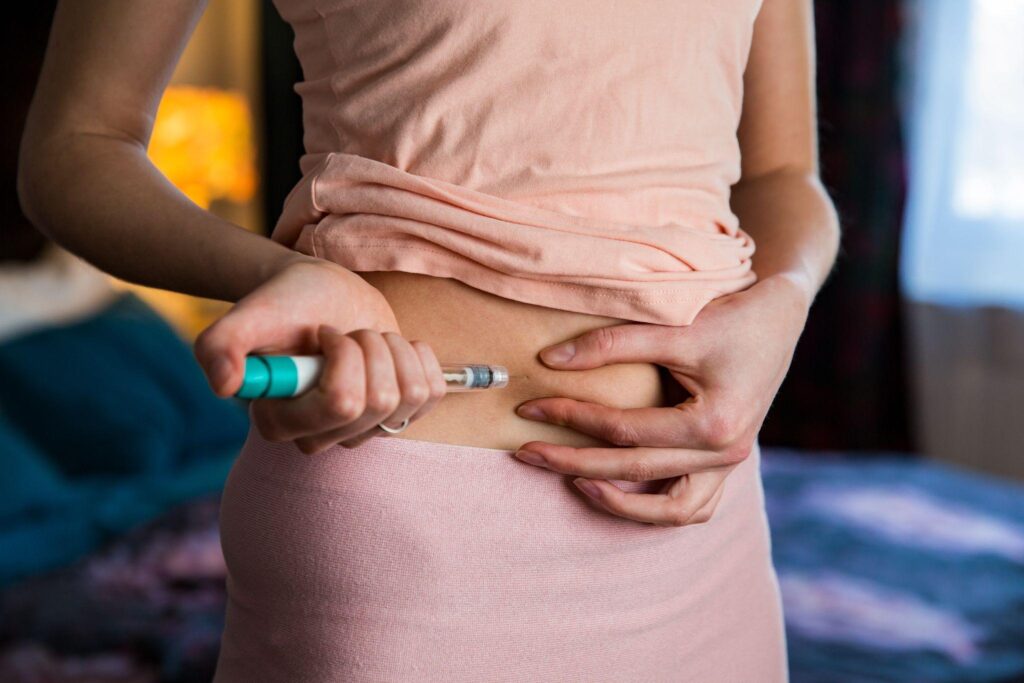
Small changes in your daily habits can make a big difference. Here’s what to do before, during, and after treatment to boost your chances.
Before Treatment
Prepare your body like you’re preparing for a marathon.
- Eat foods rich in antioxidants and healthy fats.
- Maintain a healthy weight.
- Quit smoking and limit alcohol.
- Take prenatal vitamins with folic acid.
- Get enough rest.
During the IVF Process
Follow your medication schedule carefully. Attend all ultrasound and lab appointments. Communicate with your care team if something feels off. Quality monitoring during egg retrieval, fertilization, and embryo transfer is what ensures consistency and higher success rates.
After Transfer
Rest, but don’t overdo it. Light activity helps with blood flow. Avoid excessive caffeine and processed food. Keep your mindset calm and hopeful. Emotional support plays a real role in outcomes.
At IVFLA Fertility, we offer seven-days-a-week access and direct communication with your doctor, so you never feel left out of the loop.
FAQs About IVF Success Rates
1. What is the success rate of IVF on the first attempt?
For women under 35, the first IVF cycle success rate is around 45–55%. The rate drops with age, especially after 40. Each additional attempt increases your cumulative chance of success.
2. At what age is IVF most successful?
The highest success is seen in women under 35, especially those with good ovarian reserve and healthy eggs. Using donor eggs can help older patients reach similar success levels.
3. How many IVF cycles are usually needed for pregnancy?
Many couples conceive within 1–3 IVF attempts. The cumulative live birth rate increases significantly after the second and third cycles.
4. Can you choose your baby’s gender with IVF?
Yes, through preimplantation genetic testing (PGT). However, gender selection is subject to medical and ethical guidelines.
5. Is frozen embryo transfer as effective as fresh?
Yes, and in many cases, it offers a higher success rate. FET allows your body time to recover after stimulation, leading to better implantation outcomes.
Summary and Key Takeaways
IVF success rates in Murrieta and Beverly Hills are among the best in the country.
But remember, numbers only tell part of the story. Your age, embryo quality, fertility diagnosis, and lifestyle all matter.
When you choose IVFLA Fertility, you’re not just choosing a clinic; you’re choosing a dedicated team of experts who see you as a person, not a statistic.
Whether you’re considering IVF for the first time or after years of trying, our team is here to guide you toward a successful pregnancy step by step.
Schedule a consultation with us today to start your journey with personalized care and expert support.

Dr. Steven C. Presser is a Beverly Hills fertility specialist with over three decades of experience, trained at USC, Cedars-Sinai, and UCLA. He is widely recognized for his research and publications in reproductive health, nutrition, and fertility preservation, and is fluent in English, Spanish, and Hebrew.