
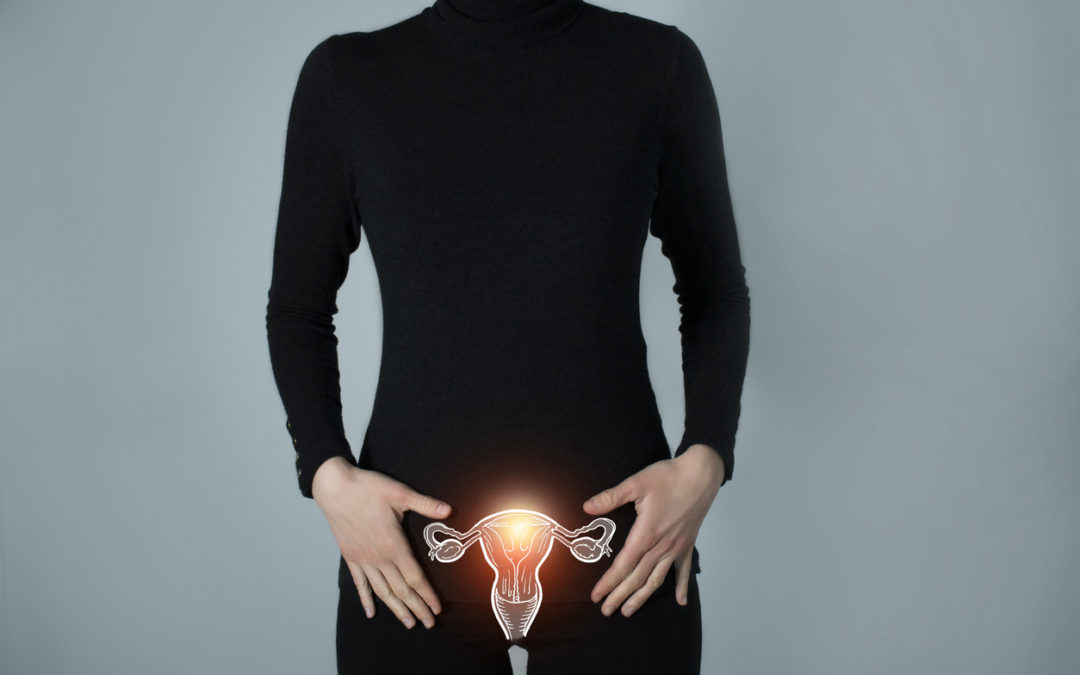
As a woman, you need to be sure that you’ll have kids when the time is right. However, these days menopause kicks in earlier than expected, and women struggle with fertility-related issues as early as 30. Further, most of these issues are triggered by stress, poor eating habits, and more. If you are worried about not getting children later in life, egg freezing is an ideal option.
This blog post will discuss egg freezing, why it’s done, what to expect, and its benefits. Read on to learn more.
What Is Egg Freezing?
Egg freezing involves harvesting eggs from a woman’s ovaries and preserving them for future use. Once you are ready to get pregnant, the frozen egg can be defrosted and then mixed with sperm, after which it’s planted in your womb in the lab.
However, this isn’t recommendable to all women. That’s why it’s essential to consult a fertility specialist before opting for this method. Health specialists understand everything about egg freezing, and they’ll advise you accordingly based on your reproductive history and specific needs.
Why Is Egg Freezing Done?
Egg freezing occurs for various reasons. For example, in the United States, most women could give birth to their first child at 22 years in the 1980s. The age increased to 25 years by 2000. These days the average woman waits until 30 to 40 years to have the first child.
Some even wait up to 40 years. However, waiting longer to have the first child increases the chances of not having one at all. That’s because the quality of a woman’s egg starts to decline as they age. That’s why most women consider this procedure.
Below are instances when you can consider egg freezing
- Have an underlying health condition that threatens your fertility; some health problems such as sickle cell anemia, lupus, and being transgender can affect your fertility. If you have such a problem but still want to get a child later, egg freezing could be a great option.
- Undergoing cancer treatment; cancer treatment is so demanding. You could be undergoing radiation or chemotherapy- and going through this process with pregnancy isn’t a good idea because it would be a high-risk pregnancy. However, this can be done before treatment to ensure you get your biological children once you recover.
- You prefer to keep younger eggs for later use; according to health experts, younger eggs fertilize faster than older ones. In this case, freezing eggs will help preserve the young eggs.
- When undergoing Vitro fertilization; during Vitro fertilization (a complex process to boost fertility or suppress genetic complications that hinder conception), you may opt for egg freezing over embryo freezing for ethical or religious reasons.
What to Expect
Egg freezing has several stages, which include:
1. Ovarian Stimulation
Your doctor will give you synthetic hormones to trigger the ovaries to release multiple eggs and not the usual single egg released every month. Your health practitioner can prescribe ovarian stimulation medications such as Monotropins, alfa or beta, or Follitropin. You’ll also be given drugs to hinder premature ovulation.
The doctor will keep an eye on you during treatment to see how you are responding to ovarian stimulation medications. During this period, your estrogen level will increase. But progesterone levels will remain relatively low until you are done ovulating.
During your follow-up visits, your physician will conduct a vaginal ultrasound to check the development of follicles. The follicle holds the eggs until they mature. Eggs are retrieved once the follicles are ready between 10-14 days.
2. Egg Retrieval
Transvaginal ultrasound aspiration is the most popular approach used for egg retrieval. It involves inserting an ultrasound probe into your vagina to find the follicles. A needle connected to a suction device is guided into a follicle through the vagina. The suction device helps to retrieve eggs from the follicle. Collect multiple eggs to increase the odds of giving birth.
3. Freezing
After retrieving the unfertilized eggs, they are cooled to relatively low temperatures. This helps in preserving them for future use. Vitrification is the most prevalent method of freezing unfertilized eggs. After eggs retrieval, you can resume your usual activities after a week. But you should avoid having unprotected sex.
What Are the Benefits of Egg Freezing?

A fridge where samples are stored.
Egg freezing has several benefits. Some of them include;
Eases Infertility Anxiety
Modern women are waiting longer to give birth to pursue their education, career, or other reasons. However, your body may lose its ability to conceive over time. Infertility anxiety kicks in from 30 to 35 years which lowers the quality of life. But egg freezing gives women some peace of mind.
Gives You Time to Find a Suitable Partner
Most women freeze their eggs if they haven’t met a suitable spouse. Egg freezing protects single women from settling down with the wrong partners due to fertility anxiety. You’ll have ample time to study your lover and decide whether you want to raise your children with them.
Eggs Freezing Helps to Keep Your Eggs Healthy
Healthy eggs increase your chances of giving birth. Therefore, your eggs can be retrieved when you are in good health to protect them from diseases. Aging opens the door for various illnesses that lowers women’s fertility rate.
Also, egg freezing can occur before undergoing medical treatment for cancer or endometriosis that might affect your reproductive health.
You Get Time to Pursue Your Professional Goals
The modern woman is more sophisticated with great professional and educational goals. Raising children comes with huge responsibilities which may prevent you from attaining your goals. However, egg freezing allows you to pursue your professional goals without worrying about losing the chance to get your own children.
Egg Freezing Enables Struggling Couples to Have Babies
In the current society, couples without children face a lot of ridicule. Many families in the United States have used frozen eggs to get children, and therefore it’s a proven way of completing a family.
What Are the Risks of Egg Freezing?
Some common egg freezing side effects include abdominal cramps and a little soreness around your vaginal. You’ll be able to do your daily activities after a week. For successful results, you need to work with experienced embryologists.
However, egg freezing medications can cause your ovaries to work too hard, leading to Ovarian hyperstimulation syndrome (OHSS). OHSS is characterized by enlarged and swollen ovaries and fluid build-up around the abdominal cavity. But OHSS cases are few.
Frequently Asked Questions
1. What is egg freezing and how does it work at a fertility clinic in Los Angeles?
Egg freezing is a fertility preservation process in which mature eggs are harvested from a woman’s ovaries and preserved at very low temperatures for future use. When the patient is ready to conceive, the frozen eggs are thawed, fertilized with sperm in a laboratory setting, and the resulting embryo is transferred to the uterus. The process involves three main stages: ovarian stimulation using synthetic hormones to produce multiple eggs, a retrieval procedure using transvaginal ultrasound aspiration, and cryopreservation of the unfertilized eggs using a method called vitrification. IVFLA Fertility in Beverly Hills and Murrieta offers egg freezing as part of a comprehensive, personalized fertility preservation plan.
2. Who should consider egg freezing, and when is the right time to do it?
Egg freezing is a practical option for a range of women, including those who wish to delay starting a family to pursue education or career goals, those who have not yet found a suitable partner, and those with health conditions that may affect future fertility such as lupus, sickle cell anemia, or a transgender identity. Women preparing to undergo cancer treatment, including chemotherapy or radiation, are also strong candidates, as these treatments can significantly impact reproductive health. Because egg quality declines with age, earlier freezing generally yields better results, making it worthwhile to consult Dr. Steven C. Presser at IVFLA Fertility sooner rather than later.
3. What are the main benefits of egg freezing for women in Beverly Hills and Murrieta?
Egg freezing offers several meaningful advantages beyond simple fertility preservation. It reduces the anxiety many women experience about age-related fertility decline, allowing them to make life and relationship decisions without the pressure of a biological clock. Preserving eggs while a woman is younger and healthier means the eggs are at peak quality when they are eventually used. For women undergoing medical treatments that could compromise fertility, freezing eggs beforehand ensures the option to have biological children later. It also gives single women more time to find a partner they are confident about before starting a family.
4. What should I expect during the ovarian stimulation phase of egg freezing?
During ovarian stimulation, your doctor will prescribe injectable synthetic hormones to encourage the ovaries to develop multiple follicles simultaneously, rather than the single egg typically released in a natural cycle. Medications may include gonadotropins such as follitropin or menotropins, along with drugs to prevent premature ovulation. Throughout this phase, which typically lasts 10 to 14 days, your provider will monitor your response through blood tests and vaginal ultrasounds to track follicle development. Estrogen levels will rise during this period, while progesterone remains relatively low until ovulation is complete and eggs are ready for retrieval.
5. What are the risks and side effects of egg freezing that patients should know about?
Egg freezing is generally well-tolerated, with most side effects being mild and temporary. Some women experience abdominal cramping and mild vaginal soreness following the retrieval procedure, and most are able to return to their normal daily routine within about a week. A less common but more significant risk is ovarian hyperstimulation syndrome, or OHSS, which can occur when the ovaries respond too strongly to stimulation medications, leading to swelling and fluid accumulation in the abdominal cavity. Serious cases of OHSS are rare, and working with experienced embryologists and a closely monitored stimulation protocol helps minimize this risk.
6. How do I get started with egg freezing at IVFLA Fertility in Beverly Hills or Murrieta?
The first step is scheduling a consultation with Dr. Steven C. Presser, who will review your reproductive history, assess your ovarian reserve, and advise whether egg freezing is the right option for your individual circumstances. IVFLA Fertility has offices in Beverly Hills at (424) 320-5848 and in Murrieta at (951) 677-5338. The team uses the latest reproductive technologies and takes a personalized approach to every patient’s fertility journey. Whether you are planning ahead for the future or facing a medical situation that requires prompt action, IVFLA Fertility can help you take the right steps to protect your fertility options.
Key Takeaway
Nothing should stop you from getting your children when you are ready, not at a time when technology has created room to have your eggs frozen for later use. For a successful egg freezing procedure, you need the help of fertility experts that use the latest technology. For couples or single women living in Beverly Hills and Murrieta, CA, IVFLA fertility team is more than willing to help you protect your fertility.
Get in touch with us to schedule a consultation.

Dr. Steven C. Presser is a Beverly Hills fertility specialist with over three decades of experience, trained at USC, Cedars-Sinai, and UCLA. He is widely recognized for his research and publications in reproductive health, nutrition, and fertility preservation, and is fluent in English, Spanish, and Hebrew.